If you’re considering a C6 crane licence, you’re looking at a qualification that can open doors to specialised crane operating roles across Australia’s construction, infrastructure, industrial, mining and major project sectors. The C6 Slewing Mobile Crane Licence is a nationally recognised High Risk Work Licence (HRW) for operating slewing mobile cranes within the C6 class.
For experienced operators, the right crane licence can provide access to better-paying projects, specialist lifting work and opportunities to develop a long-term career in the heavy lifting industry.
In this guide, we’ll explore five career opportunities available to C6 crane licence holders, the additional skills that can improve your employment prospects and why C6 crane training can be a valuable investment in your career.
What Is a C6 Crane Licence?
A C6 licence is a High Risk Work Licence for slewing mobile cranes. These cranes can be used for lifting and moving heavy materials on construction sites, infrastructure projects, industrial facilities, shutdowns and other specialised worksites.
Unlike a general truck or machinery licence, a C6 HRW Licence demonstrates that an operator has been assessed as competent to safely perform crane operations within the scope of the licence.
If you’re still researching whether you meet the requirements, our guide to C6 crane training requirements in Australia explains eligibility, skills and other important considerations before enrolling.
1. C6 Slewing Mobile Crane Operator
The most direct career path after obtaining your C6 licence is working as a slewing mobile crane operator. Operators can work on construction sites, civil infrastructure projects, industrial developments, major shutdowns and large-scale lifting projects.
The day-to-day responsibilities can include setting up the crane, completing pre-start checks, interpreting load charts, communicating with doggers and riggers, positioning loads and operating the crane safely according to the lift plan and site procedures.
- Licence: C6 Slewing Mobile Crane High Risk Work Licence
- Industries: Construction, infrastructure, civil works and industrial projects
- Useful additional skills: Rigging, dogging, lift planning and site safety
- Career potential: Experienced operators can progress to specialised lifting and major-project work
C6 crane operator salaries vary considerably depending on experience, location, project type, roster, overtime and allowances. FIFO and major infrastructure projects can offer particularly competitive employment packages.
2. Crane Operator on Construction and Infrastructure Projects
A C6 licence can also help you pursue crane operator positions on major construction and infrastructure projects. These projects may involve lifting structural steel, precast concrete, plant, building materials and other heavy components.
Construction crane operators need more than technical operating ability. Employers also value workers who understand exclusion zones, communication procedures, site traffic management and safe lifting practices.
Skills That Can Improve Your Employability
- Understanding crane load charts and working load limits
- Pre-start and equipment inspection procedures
- Effective communication with doggers and riggers
- Knowledge of site safety procedures
- Ability to follow lift plans and directions from supervisors
- Experience working around other heavy machinery and construction activities
Building a reputation for safe and reliable crane operation can be particularly valuable when applying for repeat project work or specialist lifting positions.
3. Crane Operator in Mining and Industrial Shutdowns
Mining, resources and industrial shutdown projects can provide attractive opportunities for experienced C6 crane operators. Large-scale sites frequently require cranes for equipment installation, maintenance, plant upgrades and shutdown activities.
These positions can involve extended rosters, remote locations and strict site safety requirements. Because of the environment and complexity of the work, employers may look for operators with previous heavy industry experience in addition to their C6 licence.
- Licence: C6 High Risk Work Licence
- Potential workplaces: Mining operations, processing facilities, refineries and industrial sites
- Additional requirements: Site inductions, medical assessments and other project-specific requirements may apply
- Advantage: Experience with heavy lifts and industrial environments can improve employment prospects
For operators interested in FIFO work, combining a C6 licence with relevant industry experience and additional lifting qualifications can create a stronger career profile.
4. Rigger or Dogger With Crane Operating Experience
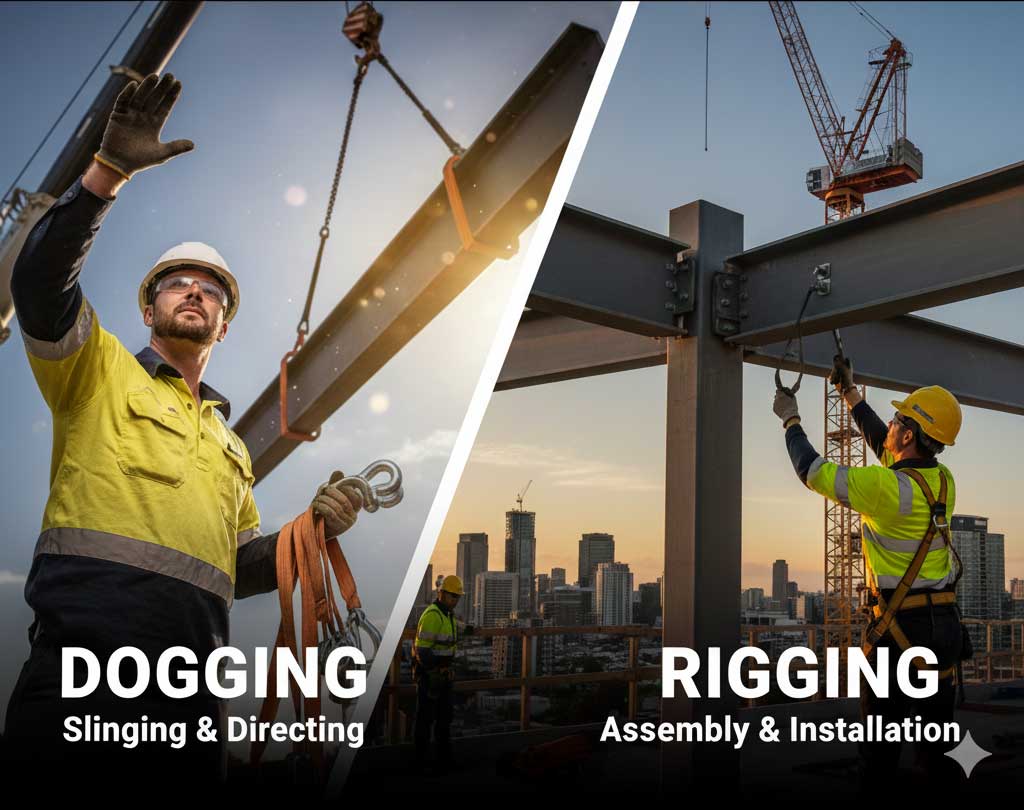
Holding a C6 licence doesn’t automatically make you a dogger or rigger, but combining crane operating experience with additional High Risk Work Licences can make you more versatile on lifting projects.
Doggers and riggers work closely with crane operators and are involved in tasks such as selecting and attaching lifting equipment, directing loads and performing specialised rigging work within their relevant licence scope.
Why Combine C6 With Dogging or Rigging?
- Better understanding of crane operations and lifting procedures
- Improved communication between crane operators and lifting crews
- Ability to develop a broader skill set for construction and industrial projects
- Potential access to a wider range of lifting and heavy industry positions
If you want to build a career around heavy lifting rather than operating a crane exclusively, developing additional dogging or rigging competencies can be a useful next step.
5. Senior Crane Operator, Lift Supervisor or Specialist Lifting Roles
With experience, a C6 licence can become the foundation for progression into more senior lifting-related positions. Experienced crane operators may move towards specialised lifting projects, leading teams or coordinating crane operations, depending on their additional training, experience and employer requirements.
Senior roles can involve greater responsibility for planning and coordinating lifting activities, communicating with project teams and ensuring work is performed according to approved procedures.
It’s important to understand that a C6 licence alone does not qualify someone as a crane inspector, trainer, assessor or lift supervisor. Those positions may require additional qualifications, industry experience and specific competencies.
Why Is a C6 Crane Licence Valuable?
1. Access to Specialised Crane Jobs
A C6 licence gives you a recognised qualification for operating slewing mobile cranes within the relevant licence class. This can help you apply for specialised crane operator positions that require a High Risk Work Licence.
2. Opportunities Across Multiple Industries
C6 crane operators can work across construction, civil infrastructure, industrial maintenance, mining, resources, logistics and major projects. This variety can provide greater flexibility when looking for employment.
3. Potential for Higher Earnings
Crane operator pay depends on many factors, including experience, location, roster, project conditions, overtime and allowances. Specialist projects and experienced operators can command higher rates than entry-level positions.
4. A Foundation for Further Career Development
Your C6 licence can be part of a broader career pathway. Depending on your goals, you may choose to develop additional competencies in dogging, rigging, lifting operations, workplace safety or other areas of heavy industry.
C6 Crane Safety: What Should Operators Check Before a Shift?
Safe crane operation starts before the first lift. Operators should follow the manufacturer’s requirements, workplace procedures and applicable safety requirements when inspecting and preparing the crane.
Important pre-start considerations can include checking the crane’s condition, safety devices, controls, lifting equipment and work area, as well as identifying hazards that could affect the planned operation.
For a more detailed overview, read our guide to the C6 crane safety checklist and best practices before every shift.
How to Start a Career as a C6 Crane Operator
- Check your eligibility: Make sure you meet the requirements for C6 crane training and assessment.
- Complete C6 crane training: Learn the theory, operating procedures and practical skills required for the licence.
- Complete the required assessment: Demonstrate competency in the operation of a C6 slewing mobile crane.
- Apply for your High Risk Work Licence: Follow the relevant state or territory licensing process after successfully completing your assessment.
- Build industry experience: Look for entry-level and supervised opportunities that allow you to develop practical experience.
- Develop additional skills: Consider relevant dogging, rigging, safety or industry training as your career progresses.
Why Choose C6 Crane Training?
If your goal is to work with mobile cranes on construction, infrastructure, mining or industrial projects, obtaining the correct training is an important first step.
Quality C6 crane training should prepare you for the theoretical and practical aspects of operating a slewing mobile crane safely and competently. Training should also help you understand critical areas such as load charts, crane setup, hazard identification, safe operating procedures and communication during lifting operations.
Ready to Start Your C6 Crane Career?
Take the next step towards becoming a qualified C6 slewing mobile crane operator.
Learn about the C6 course, training process and requirements before starting your High Risk Work Licence journey.
Final Thoughts
A C6 crane licence can be a valuable qualification for people looking to build a career in Australia’s construction, infrastructure, mining and industrial sectors. The most obvious pathway is becoming a C6 crane operator, but experienced operators can also develop broader careers by gaining additional lifting skills and industry experience.
Whether your goal is local construction work, major infrastructure projects, industrial shutdowns or FIFO opportunities, the right combination of C6 crane training, practical experience and additional qualifications can help you build a strong and flexible career in the heavy lifting industry.
Before enrolling, make sure you understand the eligibility and training requirements and choose a course that matches the type of crane work you want to pursue.