Go to booking
Non-Slewing Telehandler Licence
(TV Licence WorkSafe Victoria)
Course Overview:
Qualification: 11249NAT Course in Licensing for Non-Slewing Telehandler Operations with a Rated Capacity Over 3 Tonnes
Duration: 3 Days
- ONLY for the Dandenong South course: 6 hours of at-home reading and writing (an activity book to be completed prior to the commencement of face-to-face training), followed by 3 days of face-to-face training
Assessment Type: Theory and Practical
Prerequisite: N/A
Course Description:
Participants will develop the skills and knowledge required to plan for operations and operate a non-slewing telehandler with a rated capacity over 3 tonnes, including the use of attachments, safe driving and completion of telehandler operations. It also develops the skills and knowledge required to operate a non-slewing telehandler with fixed and freely suspended loads.
This course has both theory and practical components.
Outcome:
Students who satisfactorily complete this Program will be issued a Statement of Attainment for the accredited course 11249NAT – Course in Licensing for Non-Slewing Telehandler Operations with a Rated Capacity Over 3 Tonnes, including the unit of competency NAT 11249001 – Licence to operate a non-slewing telehandler (with a rated capacity greater than 3 tonnes). Students will also receive an email from WorkSafe containing a link to access a Notice of Assessment (which acts as a temporary licence for 60 days from the original assessment day). Participants are required to lodge their Notice of Assessment on the My WorkSafe Portal or at Australia Post and pay the WorkSafe Licence fee within the 60 days from the original assessment day to obtain the actual Licence from WorkSafe.
Please select a location from black tabs below to see available dates.
Then select a date to proceed to online enrolment
Loading events…
Loading events…
Understanding the Non-Slewing Telehandler Licence Requirements
Navigating the world of equipment operator licenses can be daunting, especially when dealing with specialized machinery like non-slewing telehandlers. Whether you’re an aspiring equipment operator or a business owner ensuring compliance, understanding the requirements for obtaining a non-slewing telehandler licence is essential.
In this guide, we will break down what you need to know about non-slewing telehandler licences, including the key components of the training program, the importance of compliance with WorkSafe Victoria, and the specific course known as 11249NAT.
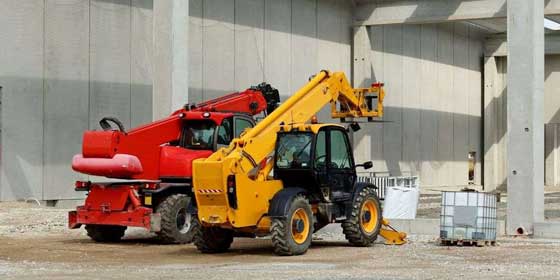
Before diving into the licensing requirements, let’s clarify what a non-slewing telehandler is. Unlike its slewing counterpart, a non-slewing telehandler has a fixed boom that does not rotate. This makes it ideal for tasks where stability is crucial, such as construction sites or agricultural settings.
Non-slewing telehandlers are versatile and can be equipped with various attachments, making them invaluable in settings where lifting and moving materials is a daily requirement. However, operating these machines requires specific skills and knowledge, which is why a licence is necessary.
Why Do You Need a Licence?
Operating heavy machinery like a non-slewing telehandler without proper training poses significant risks. A licence ensures that operators understand safety protocols, equipment functionality, and the legal requirements associated with operating such machinery.
Licensing also protects businesses by ensuring their employees are qualified and reduces the risk of workplace accidents. In jurisdictions like Victoria, compliance with WorkSafe Victoria’s regulations is mandatory, and having a licensed operator is a critical component of meeting these standards.
Key Requirements for a Non-Slewing Telehandler Licence
The 11249NAT Course
The 11249NAT course is specifically designed to provide the necessary training for operating a non-slewing telehandler. This nationally recognized course covers several key areas:
- Equipment Operation: Understanding the mechanics and controls of the telehandler.
- Safety Procedures: Learning about the safety protocols to protect yourself and others on the job site.
- Maintenance: Basic maintenance checks to ensure the equipment is in good working condition.
- Regulatory Compliance: Knowledge of the legal and regulatory requirements, including compliance with WorkSafe Victoria.
Training and Assessment
The course combines theoretical knowledge with practical training. Participants will engage in hands-on exercises to demonstrate their competence in operating a non-slewing telehandler safely.
Assessment typically involves both a written test and a practical demonstration. Successful completion of both components is required to earn the licence.
WorkSafe Victoria Compliance
WorkSafe Victoria plays a crucial role in ensuring workplace safety across various industries. For non-slewing telehandler operators, compliance with WorkSafe Victoria’s standards is non-negotiable.
This includes adherence to safety procedures, regular equipment inspections, and ensuring that all operators are properly licensed. WorkSafe Victoria may conduct audits and inspections to ensure compliance, and failure to adhere to these standards can result in penalties.
The Licensing Process
Enroll in an Accredited Course
To begin the process, you must enroll in an accredited course like the 11249NAT. Ensure the training provider is recognized and the course meets national standards.
Complete Training
Participate in the training sessions, which will cover both theoretical and practical aspects of telehandler operation. Pay attention to safety protocols and operational guidelines.
Pass the Assessment
After completing the training, you will need to pass an assessment. This typically involves a written exam and a practical test where you demonstrate your ability to operate the telehandler safely.
Receive Your Licence
Upon successfully passing the assessment, you will receive your non-slewing telehandler licence. This licence is proof of your competence and compliance with safety regulations.
Maintaining Your Licence
Once you have obtained your licence, it’s important to keep it current. This includes:
- Renewal: Licences may need to be renewed periodically. Check the expiry date and renewal process with your training provider or regulatory body.
- Continuing Education: Stay updated on any changes in regulations or best practices. Some regions may require additional training or certification over time.
- Record Keeping: Maintain records of your training, assessments, and any continuing education. This can be crucial during audits or inspections.
Conclusion
Understanding the requirements for a non-slewing telehandler licence is crucial for both operators and employers. By ensuring that operators are properly trained and licensed, businesses can maintain compliance with WorkSafe Victoria, reduce the risk of workplace accidents, and operate more efficiently.
The 11249NAT course provides a structured path to gaining the necessary skills and knowledge, combining both theoretical and practical training to ensure operators are well-prepared for the challenges of the job.
By following these guidelines and maintaining a commitment to safety and compliance, you can ensure a safer and more productive workplace.