Go to booking
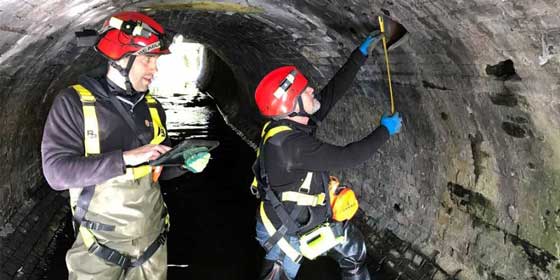
Confined Space Training
Course Overview:
Qualification:
- RIIWHS202E – Enter and work in confined spaces
- MSMWHS217 Gas test atmospheres
- MSMPER200 Work in accordance with an issued permit (Only in NSW & VIC)
Duration: 1 Day
Assessment Type: Theory and Practical
Prerequisite: N/A
Course Description:
Through the combination of theory and practical training, this course provides participants with the necessary knowledge and skills required to work safely in confined spaces as per AS/NZS 2865:2009. This training is suitable for employees who are required to enter confined spaces for maintenance or servicing of vessels and tanks.
Learning Outcome:
On completion of the course, participants will have gained the following skills and knowledge to
- WH&S Statistics and Case Studies
- Overview of AS2865:2009 & State Legislation
- Definition of a Confined Space
- Risk Management Principles
- Written Authorisations (Permits)
- Emergency Response
- Atmospheric Testing & Monitoring
- Toxic contaminants & Workplace Exposure Standards
- Hot work & fire protection
- Practical Activity
Outcome:
A nationally recognised Statement of Attainment for the units below:
- RIIWHS202E – Enter and work in confined spaces
- MSMWHS217 Gas test atmospheres (Only in NSW and WA)
- MSMPER200 Work in accordance with an issued permit (Only in NSW)
Please select a location from the tabs below to see available dates.
Then select a date to proceed to online enrolment
-
NSWSYDNEY - Homebush West
-
VICMELBOURNE - Carrum Downs
-
QLDGOLD COAST- Carrara
-
WAPERTH - Bibra Lake
Loading events…
Loading events…
Loading events…
Loading events…
Are you looking for on-site training for your personnel?
Fill the form below, and we will get back to you with discounted quote.
Corporate Booking - Confined Space Training
Working in confined spaces is one of the most hazardous tasks in many Australian industries, including construction, mining, utilities, and manufacturing. Confined spaces—such as tanks, pits, tunnels, and silos—present significant risks due to limited entry and exit points, poor ventilation, and the potential for hazardous atmospheres.
Proper confined space training is essential to ensure the safety of workers entering these environments. Certification not only helps meet legal obligations under Work Health and Safety (WHS) regulations but also equips workers with the knowledge and confidence to identify hazards and apply safe work practices.
Safety Australia Training is a trusted provider of nationally recognised safety courses, including training for confined spaces and gas test atmospheres. Our experienced trainers and practical approach help individuals and teams work safely and compliantly in high-risk environments.
What is Confined Space Training?
Confined space training prepares individuals to safely enter, work in, and exit confined spaces. The course covers a range of critical skills, including risk assessment, hazard identification, atmospheric monitoring, and the correct use of personal protective equipment (PPE).
Participants will also learn about emergency response planning, communication procedures, and the legal responsibilities associated with confined space entry. This training ensures that all work is performed in accordance with Australian safety standards and codes of practice.
Training typically includes the nationally recognised units of competency such as:
- RIIWHS202E – Enter and work in confined spaces
- MSMWHS217 – Gas test atmospheres
Why Confined Space Certification is Essential?
Confined space certification is legally required for any worker who is expected to enter or perform tasks within a confined space. Certification ensures that:
- Workers understand the risks involved and how to control them
- Employers comply with WHS legislation and avoid costly penalties
- Emergency situations can be managed safely and efficiently
- The likelihood of serious injuries or fatalities is significantly reduced
Without formal training and certification, both workers and organisations are exposed to avoidable dangers and legal consequences.
Understanding Gas Test Atmospheres in Confined Spaces
What constitutes a gas test atmosphere?
A gas test atmosphere refers to the process of testing the air quality within a confined space before entry and during work. This is crucial for detecting the presence of harmful gases such as carbon monoxide, hydrogen sulfide, and oxygen-deficient or oxygen-enriched environments.
Importance of air quality testing before entry
Testing the atmosphere is mandatory before anyone enters a confined space. Dangerous gases may be invisible and odorless, making them undetectable without specialised equipment. Continuous monitoring ensures the environment remains safe throughout the task.
Safety protocols when working in gas test atmospheres
- Use of calibrated gas detectors and atmospheric testing equipment
- Regular monitoring during occupancy
- Clear communication and rescue plans in place
- Immediate evacuation if hazardous conditions are detected
Our training ensures participants understand how to properly test, interpret, and respond to gas test results in line with national standards.
Benefits of Choosing Safety Australia Training
- Experienced trainers with industry expertise who bring real-world insights to every course
- Fully accredited training that meets current Australian WHS regulations
- High pass rates and practical learning that applies directly to on-site conditions
- Flexible delivery options, including on-site and group bookings
- Commitment to safety, compliance, and professional development
When you choose Safety Australia Training for your confined space training and confined space certification, you’re investing in quality, confidence, and workplace safety.
Confined Space Training teaches workers how to safely enter and work in tight spaces, focusing on hazard identification, risk management, and proper safety procedures.
Anyone working in confined spaces, especially in construction, maintenance, or industrial settings, needs Confined Space Training to ensure safety in risky environments.
A gas test atmosphere in confined spaces refers to checking the air quality for harmful gases before entering. It ensures the environment is safe by detecting oxygen levels, flammable gases, and toxic substances.
A gas test atmosphere in confined spaces checks air quality for harmful gases, ensuring safety by detecting oxygen, flammable, and toxic gases before entry.
Confined Space Training helps prevent accidents by teaching workers how to identify hazards, use safety gear, and respond to emergencies, ensuring safer entry and work in confined spaces, especially with hazardous gases
Upon completing the Confined Space Training, you’ll receive a nationally recognized qualification to work safely in confined spaces and conduct gas testing.
Confined Space Training typically takes 1-2 days, depending on the course format and requirements. It’s designed to equip you with the necessary skills and knowledge to work safely in confined spaces, including gas test atmospheres.
You can take Confined Space Training at Safety Australia Training. They offer courses on safe working in confined spaces with gas test atmospheres.
