When it comes to high-risk work in Australia, rigging is one of the most essential and regulated skills you can acquire. Whether you’re planning to work on construction sites, in mining, or in large-scale industrial operations, completing a basic rigging licence is often the first serious step toward a stable and rewarding career.
But before you sign up for your course, there are a few important things you need to know. From legal requirements and course content to future job potential and safety standards, this guide breaks it all down clearly—so you can decide if rigging is the right path for you. So here, read about what you need to know before getting started.
What Is a Basic Rigging Course?
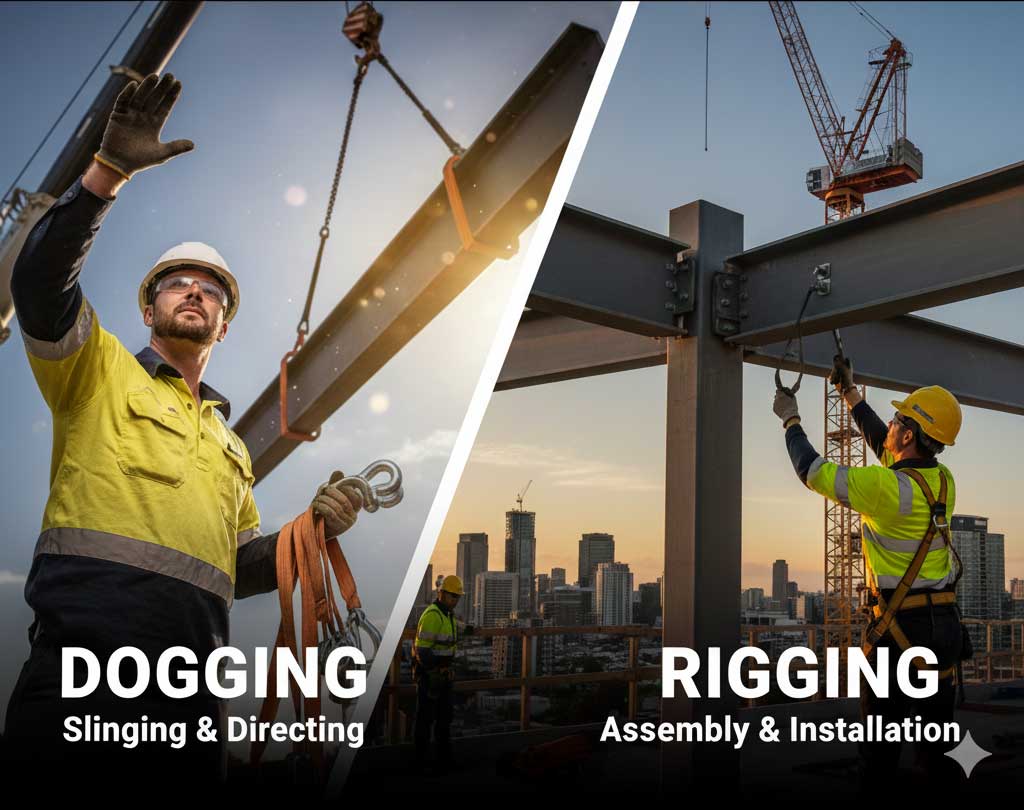
In simple terms, a basic rigging course is a nationally recognised training program designed to teach you how to safely move, place, and secure loads using mechanical load-shifting equipment, cranes, and hoists. It builds on what you learn in your dogging licence, and qualifies you to perform basic rigging tasks legally on-site.
Training providers like Safety Australia Training run these courses over 5–6 days, combining classroom theory with hands-on practical assessments. Once completed, you’re eligible to apply for a High Risk Work Licence under the RB (Basic Rigging) class.
Who Needs It?
If you’re planning to work as a rigger, tower crane operator, or in shutdown and heavy lift teams, this qualification is essential. Employers across Australia—especially in high-risk sectors like construction, marine logistics, and resources—often list a rigging ticket Australia as a non-negotiable requirement in job listings.
Even entry-level roles are increasingly looking for candidates who are compliant with WorkSafe and Safe Work Australia regulations, and a certified rigger fits that bill.
Prerequisites: What You Need Before Enrolling?
To enrol in a basic rigging course, you’ll need:
- A valid dogging licence (DG) – This is mandatory and forms the foundation for rigging.
- At least 18 years of age.
- A good understanding of English (reading, writing, and verbal communication).
- Basic physical fitness and hand-eye coordination for safe lifting and manual tasks.
- Proof of ID (like a driver’s licence or passport).
Some training organisations, like Safety Australia Training, also require that you wear PPE (Personal Protective Equipment) during your training sessions to simulate real-world site safety.
What will You’ll Learn?
The course is quite practical, with a strong focus on safe working practices. Key modules usually include:
- Identifying and using different rigging equipment.
- Understanding load charts and lifting gear like shackles, slings, and spreader bars.
- Installing and dismantling static lines and safety nets.
- Securing structural steel, precast panels, and hoists.
- Reading and interpreting rigging plans.
- Performing risk assessments, hazard identification, and using proper safety signage.
It’s not just about lifting things—it’s about how to lift them safely, while protecting both yourself and those around you.
The Importance of Health and Safety Awareness
One of the cornerstones of rigging is workplace safety. Before stepping into a rigging role, every candidate is trained to follow strict health and safety course guidelines. These include compliance with WHS (Work Health and Safety) laws, understanding load limits, identifying hazards, and using communication protocols like hand signals or radios.
This isn’t just theory—it’s what keeps worksites safe and operational. Many accidents in rigging operations happen when safety measures are skipped. So if you’re someone who values safety, this is a role that rewards diligence and responsibility.
What Comes Next? Advanced Opportunities After Certification
Once you’ve completed your basic rigging course, you’ve laid the foundation. But your journey doesn’t have to stop there.
With enough logged experience, you can progress to:
Each level allows you to take on more complex and higher-paying responsibilities—like rigging for cranes over water, dual crane lifts, and working at extreme heights or in confined spaces.
In the long run, these licences can open doors to specialised work across mining sites, shutdown operations, offshore rigs, and even high-rise infrastructure projects in major cities.

Choosing the Right Training Provider
Not all training providers offer the same level of quality or support. Look for Registered Training Organisations (RTOs) like Safety Australia Training, who are known for providing:
- Nationally accredited qualifications.
- Highly experienced trainers.
- Real-world equipment and training environments.
- Pathways for upgrading to advanced rigging licence levels or complementary courses like crane operations, dogging, or EWP (Elevated Work Platform).
Another advantage of choosing a trusted provider is their access to job networks and recommendations for high-risk work—helping you bridge the gap between training and actual employment.
Final Thoughts
If you’re serious about building a career in construction or heavy industry, getting your rigging ticket Australia through a basic rigging course is a no-brainer. It’s practical, safety-focused, and highly in demand.
Just remember—it’s not only about lifting loads. It’s about lifting them the right way. With the right training, mindset, and a commitment to workplace safety, you won’t just get certified—you’ll get hired.
Whether you’re new to the field or looking to upskill, training with experienced providers who offer holistic health and safety course modules—like Safety Australia Training—will set you on a path that’s not just compliant, but confidently capable.