Electrical hazards are one of the leading causes of injuries and fatalities on construction sites across Australia. From exposed wires to overhead powerlines, the risks are everywhere—but most incidents are preventable with proper awareness and training.
1. Contact with Overhead Powerlines
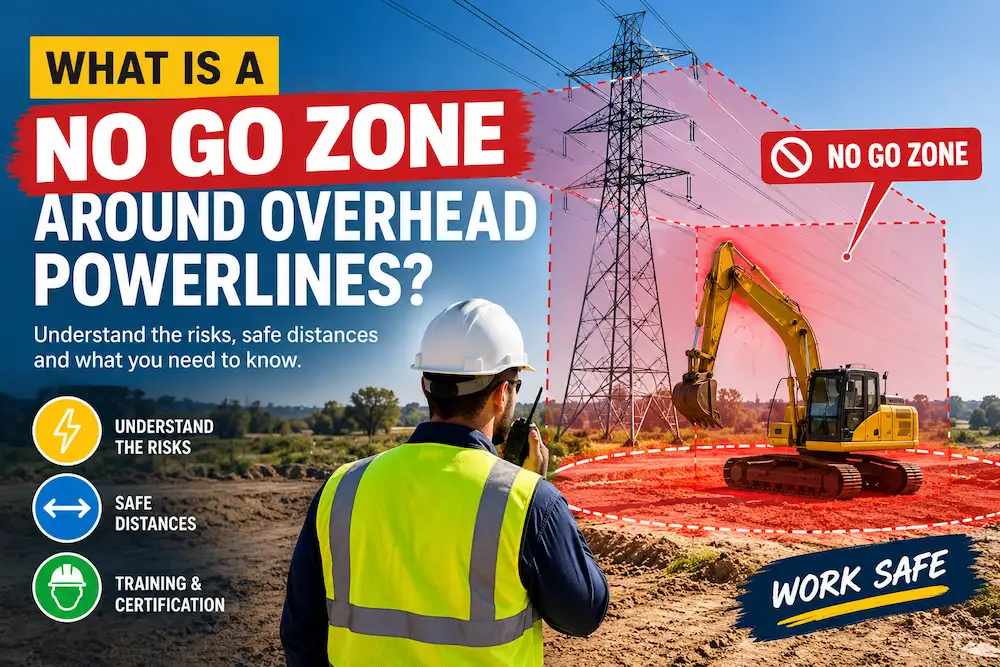
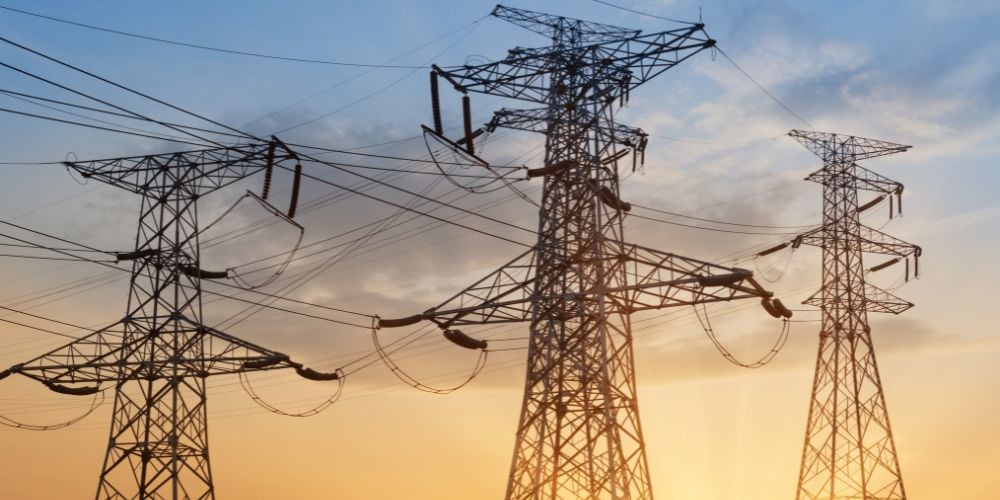
One of the most dangerous hazards on any construction site is accidental contact with overhead powerlines. Equipment such as cranes, scaffolding, and elevated work platforms can easily come into contact with live wires.
How to Avoid It:
- Maintain safe approach distances
- Use a trained spotter to monitor movements
- Clearly mark exclusion zones
2. Damaged or Exposed Wiring
Exposed or damaged electrical cables can cause shocks, burns, or fires. These hazards often occur due to wear and tear or poor maintenance.
How to Avoid It:
- Inspect cables regularly
- Replace damaged wires immediately
- Use protective coverings where needed
3. Improper Use of Electrical Equipment
Using electrical tools incorrectly or without proper training significantly increases the risk of accidents.
How to Avoid It:
- Ensure all workers are trained
- Follow manufacturer guidelines
- Use equipment only for its intended purpose
4. Wet Conditions and Electricity
Water is a strong conductor of electricity, making wet conditions extremely hazardous when working with electrical systems.
How to Avoid It:
- Avoid using electrical tools in wet areas
- Use weatherproof equipment
- Install residual current devices (RCDs)
5. Lack of Proper Grounding
Improper grounding can lead to electrical shocks and equipment damage. This is a common issue on temporary construction setups.
How to Avoid It:
- Ensure all systems are properly grounded
- Use certified electricians for setup
- Conduct regular safety checks
6. Overloaded Circuits
Overloading circuits by plugging too many devices into one outlet can cause overheating and fires.
How to Avoid It:
- Distribute electrical loads properly
- Use appropriate circuit breakers
- Avoid using multiple adapters
7. Lack of Awareness and Training
Many electrical incidents happen simply because workers are unaware of the risks or proper safety procedures.
Understanding the differences between roles like electrical spotters and electricians can also improve safety awareness on-site.
You can also learn more about why electrical safety is essential for a safer workplace to reduce risks further.
How to Avoid It:
- Provide regular safety training
- Conduct toolbox talks
- Ensure compliance with safety regulations
Final Thoughts
Electrical hazards in construction are serious, but they are also preventable. By identifying risks early and following proper safety procedures, you can significantly reduce the chances of accidents.
Investing in proper training is the most effective way to protect yourself and your team.
Get certified today:
Electrical Safety Training Course