In Australia, forklift operations remain a cornerstone of industries such as construction, warehousing, manufacturing, and logistics. As we progress through 2026, the demand for licensed forklift operators continues to rise. Whether you are an individual seeking a stable career or an employer aiming to maintain a compliant and safe workplace, obtaining a forklift licence is no longer optional—it’s a strategic necessity.
This comprehensive guide explores the legal, safety, and career-driven reasons why a forklift licence is indispensable in Australia today.
1. Legal Compliance Under Australian HRWL Framework
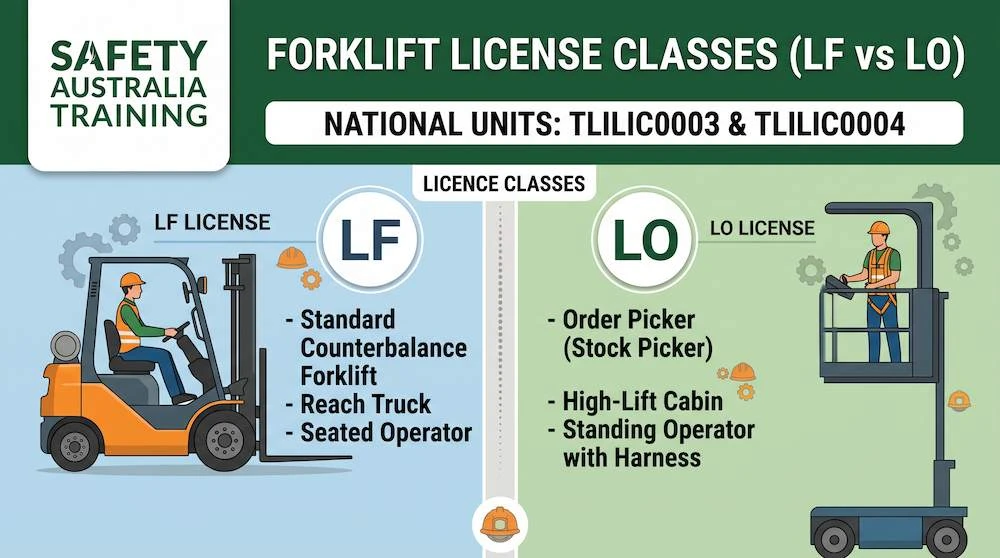
Operating a forklift without a valid High Risk Work Licence (HRWL) is a direct violation of Australian law. Under the national framework enforced by Safe Work Australia and state regulators, every forklift operator must complete an accredited training course and hold a current licence.
Non-compliance can lead to severe penalties, including substantial fines for both the operator and the employer. For businesses, this also means potential legal liabilities and operational shutdowns. In 2026, regulatory bodies are intensifying workplace inspections, making forklift licencing not just a best practice but a mandatory legal requirement.
2. Prioritising Workplace Safety
Workplace safety remains a top priority across Australian industries, and for good reason. Forklifts are powerful machines that, if mishandled, can cause serious injuries or fatalities. A forklift licence ensures that operators are thoroughly trained in:
- Safe load handling and stability principles
- Hazard identification and risk assessment
- Emergency shutdown procedures
- Pedestrian and site-specific safety protocols
Accredited training significantly reduces workplace incidents, protecting not only the operator but also co-workers, site visitors, and company assets. For employers, a licensed workforce directly contributes to lower incident rates and improved safety culture.
3. Comprehensive Skill Development
Earning a forklift licence involves rigorous, hands-on training that goes beyond basic driving. Operators gain expertise in:
- Pre-operational inspections and maintenance checks
- Load weight estimation and centre of gravity calculations
- Maneuvering in tight or congested spaces
- Adapting to modern forklifts with advanced tech features (e.g., telematics, anti-tip systems)
As forklift technology evolves, licensed operators stay current with industry best practices. This continuous skill development not only boosts on-the-job efficiency but also enhances long-term employability.
4. Unlock More Job Opportunities in 2026
The Australian job market continues to reward qualified professionals. Holding a forklift licence gives candidates a distinct competitive edge, especially in high-demand sectors like:
- Logistics and supply chain
- Manufacturing and production
- Construction and civil works
- Retail warehousing and distribution
Many employers actively prioritise applicants with formal licencing, as it reflects commitment to safety and professionalism. To explore the full range of career paths available, check out our detailed guide on the top 7 jobs you can get with a forklift licence in Australia.
From warehouse supervisors to freight handlers, a forklift licence opens doors to stable, well-paying roles that are essential to Australia’s supply chain backbone.
5. Employer Benefits: Safety, Savings, and Reputation
For employers, ensuring every forklift operator holds a valid licence is both a legal duty and a smart business investment. Key benefits include:
- Reduced workplace accidents – lower injury-related costs and downtime
- Lower insurance premiums – many insurers offer discounts for licensed, trained workforces
- Enhanced company reputation – clients and partners value safety-compliant contractors
- Higher staff retention – employees feel valued when provided with proper training and career development
Investing in forklift licencing is a proven way to build a resilient, high-performing team while safeguarding your bottom line.
6. Adapting to Industry Changes and Automation
The logistics and construction sectors are undergoing rapid transformation, with automation, AI-driven inventory systems, and electric forklifts becoming mainstream. In 2026, operators must adapt to:
- New-generation forklifts with digital controls
- Integration with warehouse management systems (WMS)
- Environmentally sustainable equipment (e.g., lithium-ion battery-powered units)
A forklift licence ensures that operators receive ongoing updates on emerging technologies. This adaptability is critical for maintaining productivity and staying competitive. For a deeper dive into how licencing fuels long-term career growth in this evolving landscape, read our article on why a forklift licence is essential for warehouse logistics careers in Australia.
Conclusion: Secure Your Future with a Forklift Licence
As we move through 2026, the importance of holding a forklift licence in Australia has never been more pronounced. From legal compliance and workplace safety to career advancement and employer benefits, the advantages are clear.
For individuals, it’s a gateway to diverse, in-demand job roles and long-term professional growth.
For businesses, it’s a cornerstone of operational excellence and risk management.
Whether you’re starting your career or looking to upskill, obtaining a forklift licence is a vital investment in your future. Explore accredited training options today and take the first step toward a safer, more prosperous career in Australia’s thriving industrial sector.
✅ Ready to get started?
Visit Safety Australia Training to enrol in nationally recognised forklift courses and begin your journey toward licencing success.