The Australian construction industry continues to experience strong demand for skilled workers, creating excellent career opportunities for people with High Risk Work Licences. Among the most valuable entry-level qualifications is the Basic Scaffolding (SB) Licence (CPCCLSF2001), which allows workers to erect, alter and dismantle basic scaffolding in accordance with Australian safety regulations.
If you’re considering enrolling in an SB Licence course, one of the first questions you’ll probably ask is: What jobs can I actually get with this qualification?
The good news is that an SB Licence opens doors to a wide variety of construction, mining, industrial and infrastructure roles across Australia. In this guide, we’ll explore the career opportunities available, industries hiring scaffolders, expected career progression and how an SB Licence can help you build a long-term career.
What Does an SB Licence Allow You to Do?
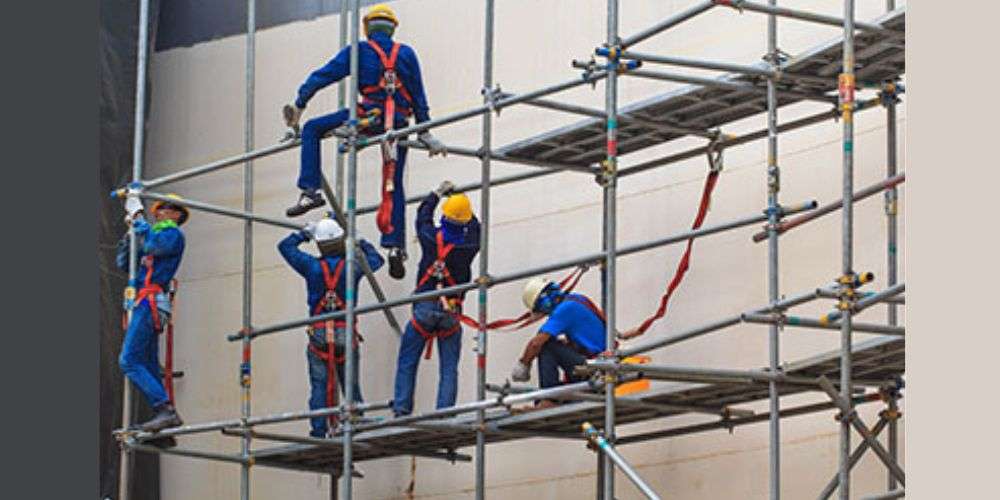
The Basic Scaffolding (SB) Licence authorises qualified workers to perform basic scaffolding work where a person or object could fall more than four metres. The licence covers work involving:
- Modular and prefabricated scaffolds
- Bracket scaffolds
- Safety nets and static lines
- Cantilevered materials hoists (up to 500 kg)
- Ropes and gin wheels
This nationally recognised qualification is often the minimum requirement for employers seeking entry-level scaffolders on construction and industrial sites. :contentReference[oaicite:1]{index=1}
1. Scaffolder
The most obvious career path is working as a Scaffolder. Scaffolders assemble, modify and dismantle temporary access structures used by construction workers, painters, electricians, plumbers and many other trades.
Daily responsibilities may include:
- Reading scaffold plans
- Inspecting scaffold components
- Building safe working platforms
- Installing guardrails and access systems
- Dismantling scaffolds after project completion
This role offers strong employment opportunities across residential, commercial and industrial construction projects.
2. Construction Worker
Many employers value workers who hold an SB Licence because they can legally assist with scaffolding activities in addition to general construction duties.
Having scaffolding qualifications often makes candidates more versatile and can improve employability compared to general labourers without High Risk Work Licences.
3. Industrial Maintenance Worker
Factories, refineries, power stations and manufacturing facilities regularly require scaffolders during maintenance shutdowns.
Industrial maintenance workers with an SB Licence help build temporary access structures that allow maintenance crews to safely inspect and repair equipment.
These projects frequently offer overtime opportunities due to strict maintenance schedules.
4. Mining Scaffolder
Australia’s mining industry employs scaffolders across both surface and underground operations.
Mining scaffolders assist maintenance teams working on crushers, conveyors, processing plants and heavy equipment by providing safe elevated access.
Many mining employers seek workers who hold multiple tickets, making an SB Licence an excellent addition to your qualifications.
5. Shutdown Scaffolder
Shutdown projects occur when industrial facilities temporarily stop production for maintenance or upgrades.
Shutdown scaffolders are responsible for rapidly erecting and dismantling scaffolding so maintenance crews can safely access equipment.
These projects often involve:
- Oil and gas facilities
- Power stations
- Chemical plants
- Mining operations
- Manufacturing facilities
6. Infrastructure Construction Worker
Major infrastructure projects—including bridges, tunnels, rail upgrades and public buildings—frequently require scaffolders to provide safe access for construction teams.
Government investment in infrastructure continues to support demand for licensed workers across Australia.
7. Residential Construction Scaffolder
Housing developments and residential builders use scaffolders on projects involving:
- Multi-storey homes
- Townhouses
- Apartment buildings
- Roofing projects
- Exterior renovations
This type of work is common for new scaffolders beginning their careers.
8. Commercial Construction Scaffolder
Commercial building projects such as office towers, hospitals, schools and shopping centres require extensive scaffolding systems throughout construction.
Licensed scaffolders play a key role in ensuring safe access for multiple trades working simultaneously.
9. Event and Entertainment Scaffolding
Not all scaffolding work takes place on construction sites.
Large sporting events, concerts and festivals often require temporary scaffold structures for:
- Lighting rigs
- Viewing platforms
- Camera towers
- Stage access
- Temporary structures
Although specialised, this sector offers unique project opportunities for experienced scaffolders.
10. Progressing to Higher-Level Scaffolding Roles
The SB Licence is designed as the starting point of a scaffolding career.
After gaining industry experience, many workers continue their professional development by obtaining:
- Intermediate Scaffolding (SI) Licence
- Advanced Scaffolding (SA) Licence
- Working at Heights certification
- Elevating Work Platform (EWP) Licence
- Rigging or Dogging qualifications
Additional licences can expand the range of projects you can work on and improve long-term career prospects. :contentReference[oaicite:2]{index=2}
Industries That Hire Workers with an SB Licence
Workers holding an SB Licence are employed across many sectors, including:
- Residential construction
- Commercial construction
- Civil engineering
- Mining
- Oil and gas
- Manufacturing
- Warehousing
- Infrastructure projects
- Shipyards
- Industrial maintenance
Skills Employers Look For
While holding an SB Licence is essential, employers also value workers who demonstrate:
- Strong safety awareness
- Ability to work at heights
- Physical fitness
- Teamwork skills
- Communication abilities
- Attention to detail
- Reliability and punctuality
Combining technical knowledge with a positive work ethic can significantly improve employment opportunities.
Can an SB Licence Help You Earn More?
In many cases, yes.
Workers with High Risk Work Licences are often more valuable to employers because they can legally perform specialised tasks that unlicensed workers cannot. Many employers also prefer candidates who already hold recognised licences, reducing the need for additional training after hiring. Job advertisements across Australia regularly seek scaffolders with current SB, SI or SA licences for construction, shutdown and FIFO projects. :contentReference[oaicite:3]{index=3}
Frequently Asked Questions
Can I work as a scaffolder immediately after getting my SB Licence?
Yes. The SB Licence qualifies you to perform basic scaffolding work within the scope of the licence. Many employers hire entry-level scaffolders who have recently completed their training.
Can I work in mining with an SB Licence?
Yes. Many mining companies employ workers with Basic Scaffolding Licences, although additional site-specific inductions and qualifications may also be required.
Can I progress beyond the SB Licence?
Absolutely. Many scaffolders continue to Intermediate (SI) and Advanced (SA) licences as they gain practical experience.
Is an SB Licence recognised throughout Australia?
Yes. The High Risk Work Licence is nationally recognised, although licensing is administered by each state and territory regulator. :contentReference[oaicite:4]{index=4}
Learn More About the Basic Scaffolding Licence
If you’re planning to start your scaffolding career, these guides provide additional information:
- Building a Solid Foundation: Your Guide to the Basic Scaffolding (SB) Licence (CPCCLSF2001)
- Is the Basic Scaffolding (SB) Licence Worth It? Honest Review for Construction Workers
Final Thoughts
An SB Licence is far more than a legal requirement—it’s a gateway to a rewarding career in Australia’s construction and industrial sectors. From residential building projects to large-scale mining operations and infrastructure developments, licensed scaffolders remain in strong demand.
If you’re looking for a practical qualification that can improve your employability and provide clear pathways for career progression, the Basic Scaffolding (SB) Licence is an excellent place to start. With experience, additional High Risk Work licences and a commitment to safety, you can continue building a successful long-term career in the construction industry.