This article explores the diverse career paths available to CB-licensed operators, the industries that need your skills, and why this qualification is a powerful investment in your professional future.
What is a CB Class Licence and Why Does it Matter for Your Career?
The Bridge and Gantry Crane Course leads to the nationally recognised CB Class Licence, a mandatory credential for operating specific types of overhead cranes in Australian workplaces. This isn’t just a “tick-box” compliance requirement; it’s a formal, government-backed certification that proves you possess the skills and knowledge to handle complex lifting equipment safely.
As outlined in the complete guide to the CB Class Licence, holding this licence demonstrates to employers that you understand:
- Critical pre-operational inspections and hazard identification.
- Safe load handling, including load estimation and slinging techniques.
- Operational controls for cranes with multiple powered motions.
- Australian WHS regulations and your responsibilities as an operator.
In a competitive job market, this proven competency makes you a far more attractive candidate than someone without formal training.
Industries Actively Seeking CB-Licensed Operators
One of the major advantages of this licence is its versatility. CB-licensed operators are in demand across a broad spectrum of industries, including:
- Manufacturing and Fabrication: Steel fabrication workshops, engineering facilities, and assembly lines depend on bridge cranes to move raw materials and finished products.
- Construction and Infrastructure: Large-scale building projects and civil works use gantry cranes for lifting prefabricated sections, steel beams, and heavy equipment.
- Logistics and Warehousing: Major distribution centres and warehouses use overhead cranes to manage bulky, high-value inventory efficiently.
- Mining and Resources: From processing plants to port facilities, the mining industry relies on heavy-lift cranes for maintenance, processing, and loading operations.
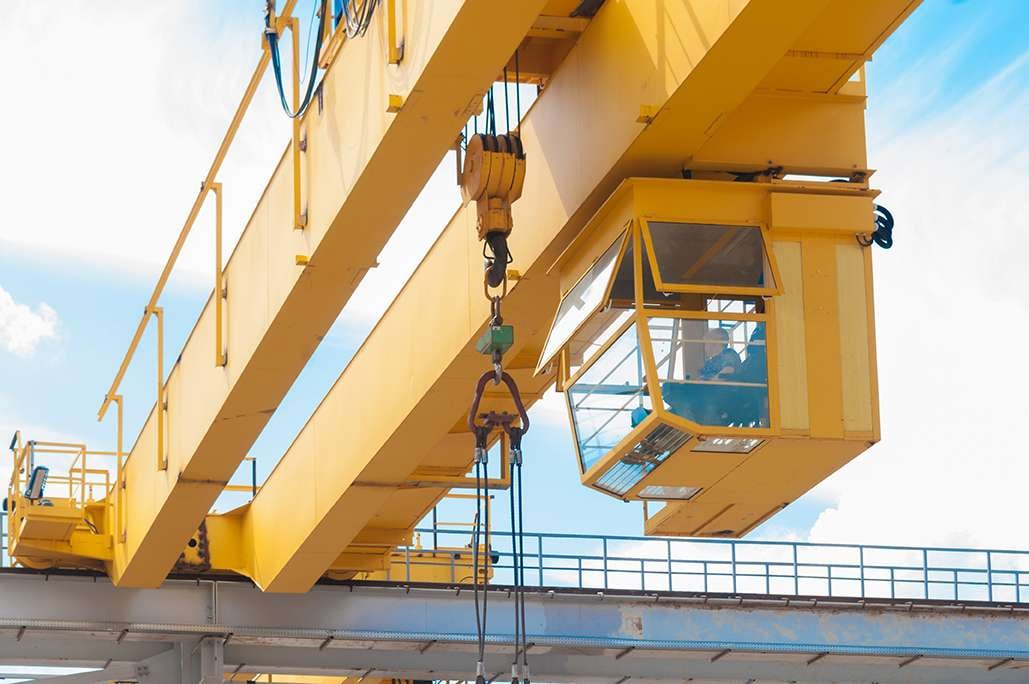
- Ports and Shipping: Gantry cranes are essential for loading and unloading shipping containers and bulk cargo at Australia’s busy ports.
- Transport and Heavy Engineering: Rail yards, workshops, and engineering firms use gantry and bridge cranes to maintain locomotives, wagons, and large machinery.
Job Roles You Can Pursue with a CB Licence
Earning your CB licence qualifies you for a variety of specialised roles. Common job titles include:
- Bridge Crane Operator: Operating overhead cranes in factory or warehouse settings.
- Gantry Crane Operator: Working outdoors in ports, rail yards, or construction sites.
- Warehouse Crane Operator: Managing inventory movement in large-scale logistics facilities.
- Manufacturing Plant Operator: Handling materials on production lines.
- Steel Processing Operator: Moving heavy steel coils, beams, and plates.
- Port Crane Operator: Working in shipping terminals to load and unload cargo.
- Industrial Logistics Operator: Coordinating and executing material handling across large sites.
Career Progression and Earning Potential
A CB licence is often just the starting point. Many operators use it as a foundation to advance their careers by obtaining additional high-risk work licences (for example, in scaffolding, rigging, or other crane classes) or moving into supervisory and management roles. As you gain experience, you can progress to roles such as:
- Leading Hand or Supervisor: Overseeing a team of crane operators and coordinating lifting operations.
- Lifting Operations Coordinator: Planning and managing complex lifts, ensuring all safety protocols are followed.
- Trainer or Assessor: Using your expertise to train the next generation of crane operators.
Salaries for licensed crane operators in Australia are competitive, reflecting the skill and responsibility involved. According to industry data, experienced operators can earn well above the national average wage, with opportunities for overtime and site allowances in sectors like mining and construction further increasing earning potential.
Beyond the Licence: The Value of Quality Training
While holding the licence is key, how you get it matters just as much. Comprehensive, practical training not only prepares you for the assessment but builds the real-world confidence and safety awareness that employers value most. A reputable training provider will offer:
- Modern, well-maintained crane equipment for hands-on practice.
- Small class sizes for personalised instruction and feedback.
- Trainers with genuine industry experience who can share practical tips.
- Clear guidance on the licensing application process.
Investing in high-quality training from the start sets you up for success throughout your career.
Is a CB Licence Right for You?
If you are a safety-conscious individual who enjoys technical, hands-on work and wants a career with tangible outcomes, crane operation could be an excellent fit. The role requires focus, good communication skills, and a methodical approach to problem-solving.
Start Your Journey Today
The Bridge and Gantry Crane Course is your direct pathway to obtaining this valuable licence. Don’t just get a job—build a career in the backbone of Australian heavy industry. For more detailed information on the course structure and licensing process, be sure to explore our comprehensive guide to bridge and gantry crane training.