Bridge and Gantry Crane Course (CB Class Licence): Complete Guide for Crane Operators in Australia
Bridge and gantry cranes are essential lifting equipment across Australia’s manufacturing, construction, logistics, mining, transport and warehousing industries. These powerful cranes are designed to move heavy materials safely and efficiently, but they also present significant risks when operated by unqualified personnel.
If you want to operate this type of crane, obtaining a CB Class Licence is a legal requirement in many situations. Completing an accredited Bridge and Gantry Crane Course provides the practical skills and theoretical knowledge needed to safely operate the equipment while complying with Australian workplace safety legislation.
In this guide, we’ll explain what the CB licence covers, who needs it, what you’ll learn during training, career opportunities, and how to obtain your licence.
What is a Bridge and Gantry Crane?
Bridge and gantry cranes are overhead lifting systems designed to move heavy loads with precision and efficiency.
Bridge Crane
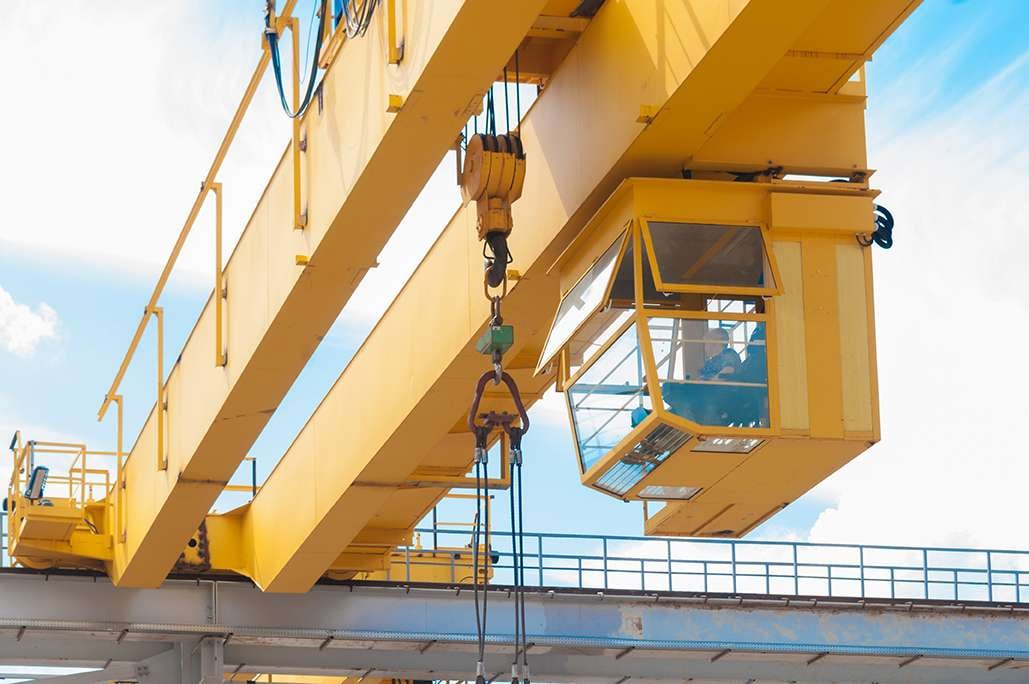
A bridge crane operates on elevated runway beams fixed to a building structure. A bridge travels along the runways while a hoist moves across the bridge, allowing loads to be lifted and positioned accurately throughout the workspace.
Bridge cranes are commonly found in:
- Manufacturing plants
- Steel fabrication workshops
- Engineering facilities
- Large warehouses
- Assembly lines
Gantry Crane
Unlike bridge cranes, gantry cranes are supported by legs that travel along rails or directly on the ground. This makes them ideal for outdoor lifting applications where no building structure is available.
They are widely used in:
- Shipping ports
- Container terminals
- Construction projects
- Mining operations
- Rail yards
What is the CB Class Licence?
The CB Class Licence, officially known as the Licence to Operate a Bridge and Gantry Crane, is a High Risk Work Licence required for operating certain bridge and gantry cranes throughout Australia.
This licence generally applies to cranes that are:
- Operated from a fixed control station or permanent cabin.
- Remotely controlled with more than three powered movements.
- Equipped with multiple powered functions such as travelling, traversing, hoisting and rotating.
Holding the appropriate licence demonstrates that an operator has been assessed as competent to safely perform lifting operations in accordance with Australian standards and workplace safety regulations.
Who Needs a CB Class Licence?
You’ll likely need a CB Class Licence if your job involves operating bridge or gantry cranes in industries such as:
- Manufacturing
- Construction
- Mining
- Warehousing
- Transport and logistics
- Ports and shipping
- Steel fabrication
- Heavy engineering
Employers throughout Australia increasingly require licensed crane operators as part of their safety management systems.
What Will You Learn During a Bridge and Gantry Crane Course?
An accredited Bridge and Gantry Crane Course combines classroom instruction with practical training to ensure participants can operate cranes safely in real workplace environments.
Pre-operational Inspections
- Conducting equipment inspections
- Identifying mechanical defects
- Checking safety devices
- Inspecting lifting gear
Safe Crane Operation
- Starting and shutting down equipment
- Operating all crane movements safely
- Maintaining load stability
- Working within crane limitations
Load Planning
- Calculating load weight
- Understanding load centres
- Selecting suitable lifting equipment
- Planning safe lifting paths
Risk Management
- Hazard identification
- Risk assessment
- Communication with doggers and riggers
- Emergency procedures
Legislation and Standards
- Australian workplace safety legislation
- High Risk Work Licence requirements
- SafeWork assessment standards
- Employer and operator responsibilities
Practical Assessment and Licensing
To obtain your CB High Risk Work Licence, you’ll complete both theoretical and practical assessments conducted by an accredited assessor.
The assessment evaluates your ability to:
- Inspect the crane before use
- Operate the crane safely
- Lift and position loads accurately
- Follow safe work procedures
- Respond appropriately to workplace hazards
After successfully completing the assessment, you can apply for your High Risk Work Licence through the relevant state or territory regulator.
Career Opportunities After Obtaining a CB Licence
Qualified bridge and gantry crane operators are employed across numerous industries where heavy lifting forms part of everyday operations.
Typical job roles include:
- Bridge Crane Operator
- Gantry Crane Operator
- Warehouse Crane Operator
- Manufacturing Plant Operator
- Steel Processing Operator
- Mining Equipment Operator
- Port Crane Operator
- Industrial Logistics Operator
Many employers prefer applicants who already hold a current High Risk Work Licence, helping licensed operators access a wider range of employment opportunities.
Benefits of Completing Bridge and Gantry Crane Training
- Meet Australian licensing requirements.
- Improve workplace safety.
- Reduce the likelihood of lifting incidents.
- Increase confidence operating heavy lifting equipment.
- Improve employment prospects.
- Develop practical industry skills.
- Support compliance with WHS legislation.
Common Safety Risks When Operating Bridge and Gantry Cranes
Even experienced operators must remain alert to potential hazards. Some of the most common risks include:
- Overloading the crane
- Poor load balancing
- Equipment failure
- Collision with structures or personnel
- Incorrect sling selection
- Poor communication during lifting operations
- Operating in unsuitable environmental conditions
Professional training teaches operators how to recognise and manage these risks before they become incidents.
Choosing the Right Bridge and Gantry Crane Training Provider
When selecting a training provider, look for organisations that offer:
- Nationally recognised training
- Experienced trainers with industry knowledge
- Modern crane equipment for practical learning
- Comprehensive theory and hands-on instruction
- High Risk Work Licence assessments
Choosing quality training not only helps you obtain your licence but also prepares you for safe operation in real workplaces.
Frequently Asked Questions
Is a CB Class Licence recognised throughout Australia?
Yes. High Risk Work Licences are nationally recognised, although you should always check any state-specific requirements before commencing work.
Do I need previous crane experience?
No. Many accredited training providers accept beginners, provided they meet the eligibility requirements.
What industries hire CB licensed operators?
Manufacturing, logistics, mining, construction, ports, transport, steel fabrication and engineering are among the largest employers of licensed crane operators.
How long does the training take?
Course duration varies depending on the provider and participant experience. Contact your chosen training organisation for current schedules.
Learn More About Bridge and Gantry Crane Training
If you’re researching the CB Class Licence or want to better understand the training process, these additional guides provide valuable information:
- Understanding the Bridge and Gantry Crane Course – A Pathway to CB Class Licence
- Lifting Safety: The Crucial Role of Gantry Crane Training in Australia
Start Your CB Class Licence Journey
A Bridge and Gantry Crane Course is more than just a licensing requirement—it is an investment in your career and workplace safety. Whether you’re entering the lifting industry or expanding your qualifications, earning your CB Class Licence demonstrates your competence, professionalism and commitment to safe crane operations.
By completing accredited training and following safe lifting practices, you’ll be prepared to operate bridge and gantry cranes confidently while contributing to safer and more productive Australian workplaces.