Many workers entering the construction, mining, logistics, and infrastructure industries are unsure whether they need a Telehandler Licence or the nationally recognised RIIHAN309F Conduct Telescopic Materials Handler Operations qualification.
While both courses focus on the safe operation of telescopic materials handlers, they serve different purposes and may be required in different workplaces. Understanding the difference can help you choose the right training pathway and improve your employment opportunities across Australia.
What Is a Telehandler?
A telehandler, also known as a telescopic handler, is a versatile machine used to lift, move, and place materials on construction sites, warehouses, farms, and industrial projects. Unlike traditional forklifts, telehandlers feature an extendable boom that allows operators to reach greater heights and distances.
If you’re unfamiliar with the key differences between these machines, our guide on Telehandler vs Forklift: Why You Need a Separate Non-Slewing Licence in Australia explains why separate training and licensing requirements often apply.
What Is a Telehandler Licence?
A Telehandler Licence is designed for individuals who need to operate non-slewing telehandlers in workplaces where licensing requirements apply.
This training generally covers:
- Pre-start inspections
- Risk assessment procedures
- Load calculations
- Safe lifting techniques
- Machine stability principles
- Suspended load operations
- Worksite safety procedures
Many large commercial construction projects require workers to hold a Telehandler Licence before they are permitted to operate equipment on-site.
What Is RIIHAN309F Conduct Telescopic Materials Handler Operations?
The RIIHAN309F Conduct Telescopic Materials Handler Operations unit is a nationally recognised competency that teaches participants how to safely conduct telehandler operations across a range of industries.
This qualification is commonly requested in:
- Mining operations
- Civil construction projects
- Infrastructure developments
- Warehousing and logistics facilities
- Agricultural operations
- Industrial workplaces
The course focuses on practical operational competency and safe workplace procedures while providing a nationally recognised Statement of Attainment.
Key Differences Between a Telehandler Licence and RIIHAN309F
| Feature | Telehandler Licence | RIIHAN309F |
|---|---|---|
| Main Purpose | Licensing for telehandler operation where required | National competency-based qualification |
| Industry Focus | Construction and major projects | Construction, mining, logistics, agriculture, resources |
| Recognition | Licence-based requirement | Nationally recognised Statement of Attainment |
| Employer Requirements | Often required on commercial construction sites | Commonly required across multiple industries |
| Career Flexibility | Construction-focused | Broad cross-industry recognition |
Which Qualification Do Employers Prefer?
The answer depends on the industry and the specific project.
Construction employers often require workers to hold a Telehandler Licence before operating equipment on major commercial sites. Meanwhile, mining companies and infrastructure contractors frequently request RIIHAN309F because it is recognised nationally and aligns with competency-based training requirements.
Many experienced operators choose to hold both qualifications to maximise their employment opportunities and meet varying employer requirements.
Benefits of Holding a Telehandler Qualification
Whether you complete a Telehandler Licence course or RIIHAN309F training, the benefits include:
- Improved workplace safety
- Greater employment opportunities
- Compliance with site requirements
- Higher confidence operating equipment
- Reduced risk of workplace incidents
- Increased earning potential
- National recognition of skills and competency
Can a Forklift Licence Replace Telehandler Training?
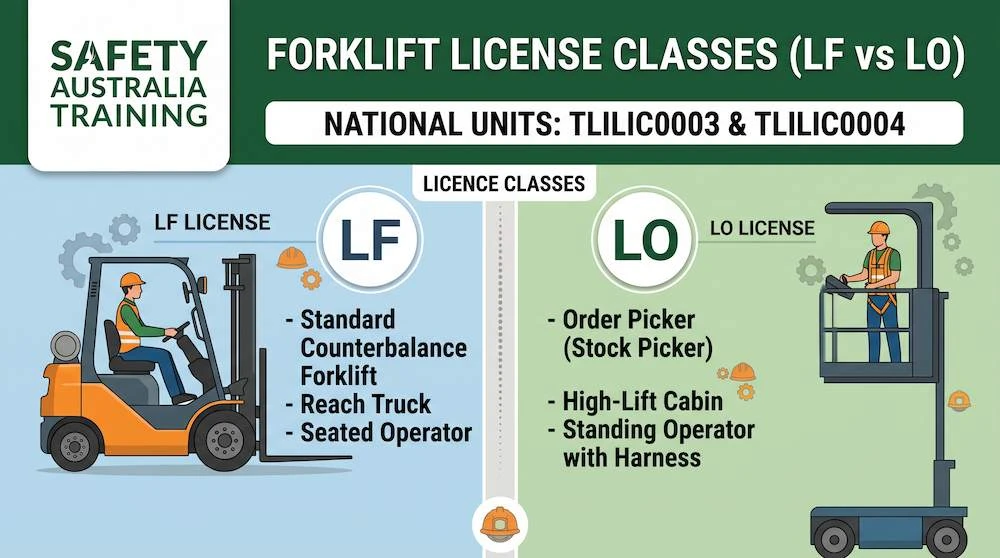
No. A forklift licence does not automatically qualify a worker to operate a telehandler.
Although both machines are used for materials handling, telehandlers have different operating characteristics, stability considerations, and risk factors. This is why dedicated telehandler training is required in many Australian workplaces.
To learn more, read our detailed guide on why telehandlers and forklifts require separate training pathways.
Which Course Should You Choose?
You should consider a Telehandler Licence if your employer or project specifically requires licensed telehandler operators.
You should consider RIIHAN309F Conduct Telescopic Materials Handler Operations if you need nationally recognised competency for mining, construction, logistics, agriculture, or infrastructure work.
If you’re uncertain, speaking with your employer or training provider can help determine which qualification best matches your career goals and workplace requirements.
Final Thoughts
Both the Telehandler Licence and RIIHAN309F qualification provide valuable skills for operating telescopic materials handlers safely and efficiently. The best choice depends on your industry, employer expectations, and future career plans.
For workers seeking the widest range of employment opportunities across Australia, understanding the difference between these qualifications is the first step toward building a successful career in materials handling, construction, mining, and infrastructure projects.