Confined spaces can present significant risks to workers, making it crucial to have comprehensive training and proper safety measures in place. One essential aspect of safe working in confined spaces is gas testing. By understanding the importance of gas testing and implementing best practices, workers can transform hazardous environments into harmonious and secure workplaces. In this article, we will delve into the world of safe working in confined spaces with gas testing, exploring the necessary training, procedures, and precautions to ensure a safer work environment.
The Significance of Gas Testing
Gas testing plays a critical role in confined space safety. It involves analyzing the atmosphere within a confined space to identify the presence of hazardous gases, vapors, or substances that could jeopardize the health and safety of workers. By conducting thorough gas tests, potential risks can be identified, allowing for appropriate control measures to be implemented. Gas testing helps create a baseline for safe working conditions and enables workers to make informed decisions while entering and working in confined spaces.
Comprehensive Training
To master safe working in confined spaces with gas testing, comprehensive training is essential. Training programs should cover various aspects, including understanding confined spaces, recognizing potential hazards, using gas testing equipment, interpreting test results, and implementing control measures. Participants should learn how to conduct gas tests accurately, adhere to safety protocols, and respond effectively to emergencies. Proper training empowers workers with the knowledge and skills needed to mitigate risks and ensure a safe working environment.
Key Procedures and Precautions
1. Risk Assessment: Before entering a confined space, a thorough risk assessment should be conducted to identify potential hazards and develop appropriate control measures. Gas testing is an integral component of this assessment.
2. Gas Testing Equipment: Workers should be trained to use gas testing equipment correctly. This includes understanding the types of gas detectors, calibrating and maintaining the equipment, and interpreting readings accurately. Regular checks and maintenance of gas testing equipment are vital to ensure reliable results.
3. Testing Procedures: Gas testing should be conducted in a systematic manner, following established protocols. This involves sampling the atmosphere at various levels within the confined space and testing for a range of hazardous gases and substances. Workers should be aware of the specific gases they need to test for based on the confined space environment.
4. Interpreting Results: After conducting gas tests, workers must be able to interpret the results accurately. This includes understanding acceptable exposure limits, identifying hazardous levels of gases or substances, and determining the appropriate control measures or evacuation procedures.
5. Control Measures: Based on the gas test results, control measures should be implemented to minimize or eliminate the risks identified. This may involve ventilation, isolation, personal protective equipment (PPE), or other safety measures specific to the confined space. Clear communication and coordination among workers and supervisors are crucial during the implementation of control measures.
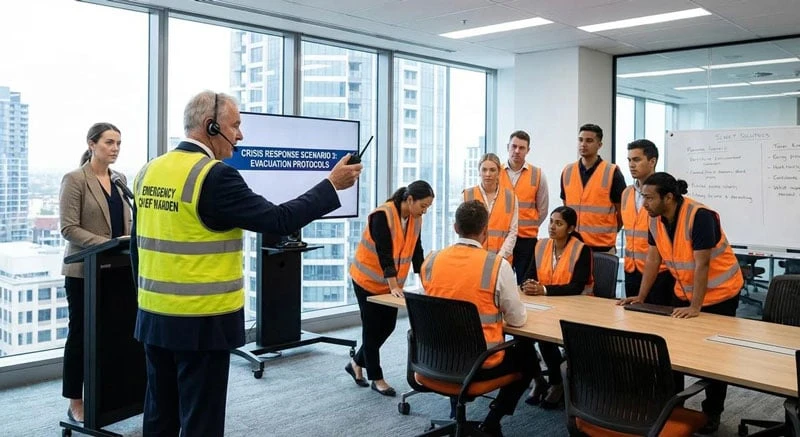
6. Emergency Preparedness: Despite precautions, emergencies can still occur in confined spaces. Workers should be trained in emergency procedures, such as rescue techniques, first aid, and evacuation protocols. Regular drills and exercises can help ensure that workers are prepared to respond effectively to emergencies.
Safe working in confined spaces with gas testing is a paramount consideration for any organization committed to the well-being of its workforce. By providing comprehensive training, following proper procedures, and implementing effective control measures, employers can create a harmonious work environment where workers feel confident and secure. Gas testing acts as a crucial safeguard, enabling workers to identify and mitigate potential hazards, ensuring that confined spaces are not only compliant with safety regulations but also conducive to productivity and well-being. Remember, from hazard to harmony, the path to safe working in confined spaces begins with mastering gas testing.