Workers in Australia’s construction, renovation, demolition, manufacturing, and other high-risk industries may encounter hazardous materials such as asbestos and respirable crystalline silica (RCS). Although both substances can cause serious long-term health problems, they present different hazards and require different control measures.
Online awareness training can help workers understand where these hazards may be encountered, how exposure occurs, and what steps should be taken to minimise risk.
Asbestos Awareness Training
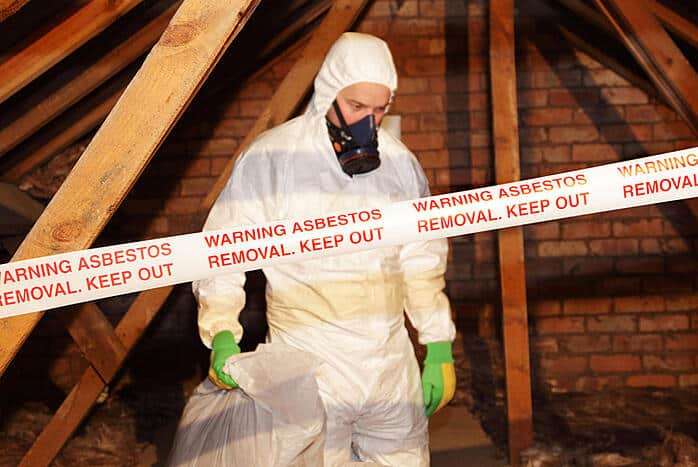
Asbestos awareness training focuses on recognising asbestos-containing materials (ACMs) and understanding the risks associated with disturbing them.
Training commonly covers:
- How to identify materials that may contain asbestos
- Where asbestos may be found, particularly in older buildings and structures
- Health risks associated with asbestos exposure
- Safe work practices for avoiding exposure
- Appropriate control measures and personal protective equipment (PPE)
- Relevant Australian workplace health and safety requirements
- Procedures to follow when suspected asbestos-containing materials are discovered
It is important to understand that asbestos awareness training is generally designed to help workers recognise and avoid asbestos hazards. It does not necessarily qualify a person to undertake licensed asbestos removal work.
Who May Need Asbestos Awareness Training?
Asbestos awareness training can be particularly relevant to workers who may encounter asbestos during their normal duties, including construction workers, electricians, plumbers, carpenters, maintenance workers, painters, and demolition or renovation workers.
Silica Dust Awareness Training
Silica dust awareness training focuses on respirable crystalline silica, commonly known as RCS. RCS can be generated when materials containing crystalline silica are cut, drilled, crushed, ground, or otherwise mechanically disturbed.
Workers may encounter silica dust when working with products such as engineered stone, concrete, bricks, tiles, and some natural stone.
Training commonly covers:
- What respirable crystalline silica is
- Where silica dust can be generated
- Health risks associated with inhaling RCS
- Identifying tasks that may create airborne silica dust
- Dust suppression and other engineering controls
- Safe work practices
- Respiratory protective equipment and PPE
- Workplace exposure control requirements
- Australian WHS responsibilities and regulations
Silica awareness training is especially relevant to workers involved in construction, stonemasonry, manufacturing, demolition, and other activities where silica-containing materials may be processed.
Asbestos vs Silica Dust: Key Differences
Although both asbestos and silica dust are serious workplace hazards, there are several important differences.
Which Course Should You Take?
The right course depends on the hazards you may encounter in your workplace.
If your work involves older buildings, renovation, demolition, maintenance, or other activities where asbestos-containing materials may be present, asbestos awareness training may be appropriate.
If your work involves cutting, drilling, grinding, crushing, or processing materials that contain crystalline silica, silica dust awareness training may be more relevant.
In some workplaces, workers may encounter both hazards. Completing awareness training for both can provide a broader understanding of the risks and the controls needed to work safely.
Are Online Awareness Courses Enough?
Online awareness training can provide valuable knowledge about hazardous materials, but workers and employers should ensure that the training selected matches the actual work being performed and applicable WHS requirements.
Some higher-risk activities require additional training, competency assessment, supervision, licences, or other controls. An awareness course should therefore not be treated as a substitute for role-specific training or legally required qualifications.
Employers should also regularly review workplace risks and ensure that appropriate control measures are implemented rather than relying on training alone.
Stay Safe Around Asbestos and Silica Dust
Asbestos and respirable crystalline silica are different hazards, but both require careful management to prevent potentially serious health consequences.
Understanding how each hazard occurs, recognising potentially dangerous situations, and following appropriate control measures are essential parts of workplace safety. For workers who may encounter these materials, completing relevant awareness training is an important step toward reducing exposure and maintaining a safer workplace.
If you are unsure which course is appropriate for your role, consider the materials you work with, the tasks you perform, and the specific training requirements that apply to your workplace and jurisdiction.