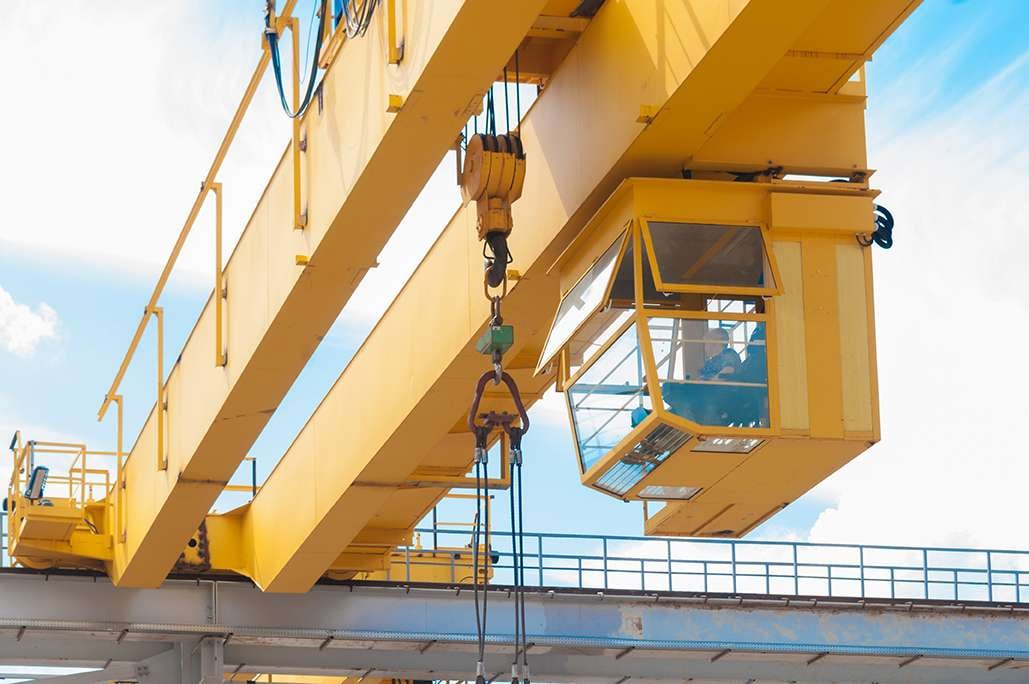
1. Dogging Licence (DG Licence) – Mastering the Lift

The Licence to Perform Dogging (Unit of Competency: CPCCLDG3001) is a foundational certification in the Australian high-risk work landscape. It is mandatory for any individual responsible for applying slinging techniques, or directing the movement of loads using a crane or hoist where the load is out of the operator’s view.
Key Focus and Skills:
- Load Handling: The core focus is on gravity and mechanical safety—ensuring loads are correctly secured and moved without incident.
- Slinging Techniques: Participants learn how to select, inspect, and safely use lifting gear (slings, shackles, chains) to secure a load for lifting. This requires significant judgment regarding the suitability of the equipment and the slinging method.
- Directing Operations: A qualified dogger works closely with the crane operator, providing signals and direction for the safe transfer and positioning of loads.
Certification and Delivery:
- Classification: High-Risk Work Licence (HRWL Class DG).
- Delivery: Typically a practical, multi-day (approx. 5 days), face-to-face course, as hands-on assessment is essential.
- Target Industry: Construction, mining, logistics, fabrication, and heavy maintenance.
2. Electrical Spotter Training (Electrical Safety Course) – The Proximity Guard

The Electrical Spotter Training (Unit of Competency: UETDREL006 – Work safely in the vicinity of live electrical apparatus as a non-electrical worker) addresses an entirely different risk: the hazard of electrocution and arc flash when working near live electrical infrastructure.
Key Focus and Skills:
- Electrical Proximity: The primary goal is to manage safety when non-electrical workers, plant, or equipment operate near power lines or electrical apparatus.
- Safe Approach Distances (SADs): The core skill is identifying electrical infrastructure assets, determining the voltage, and establishing and monitoring the legally required Safe Approach Distances (SADs) for workers and machinery.
- The Spotter Role: A certified Electrical Spotter acts as a dedicated safety observer, whose sole responsibility is to prevent accidental contact with live electrical conductors, especially during high-risk activities like lifting or excavation.
Certification and Delivery:
- Classification: Nationally Recognised Statement of Attainment (Unit of Competency).
- Delivery: Often delivered as a 100% Online course (approx. 4 hours), focusing on theoretical knowledge, legislation, risk identification, and procedure.
- Target Industry: Any worker, especially those operating plant and equipment, working in construction, civil, or infrastructure projects near overhead or underground power assets.
Comparing the Core Differences
The two qualifications are rarely interchangeable. While a dogger may need an Electrical Spotter when working near power lines, the dogging licence itself does not qualify them to act as an electrical safety observer.
| Feature | Dogging Licence (DG) | Electrical Spotter Training (UETDREL006) |
|---|---|---|
| Core Function | Safely attach, sling, and direct the movement of loads using lifting equipment (cranes, hoists). | Work safely, or monitor others working, in proximity to live electrical apparatus. |
| Primary Risk | Load instability, dropped objects, and mechanical failure. | Electrical shock, electrocution, and arc flash. |
| Certification Type | High-Risk Work Licence (HRWL – DG Class). | Statement of Attainment (Unit of Competency). |
| Delivery Method | Practical, hands-on, face-to-face training. | Often 100% Online, theory-based. |
| Duration | Approximately 5 days. | Approximately 4 hours. |
| Who Needs It | Doggers, riggers, crane operators’ assistants, and those directing lifting. | Non-electrical workers (e.g., EWP, crane, excavator operators) working near power lines. |
Conclusion: Choosing the Right Training
Both the DG Licence and Electrical Spotter Training are indispensable safety qualifications, but they address completely separate, high-consequence hazards.
- If your role involves selecting, inspecting, and slinging loads for crane or hoist movements, the Dogging Licence is the mandatory qualification you need.
- If you or your team are non-electrical workers operating plant, tools, or equipment near power lines or other live electrical infrastructure, the Electrical Spotter Training is vital for preventing life-threatening incidents.
Safety Australia Training provides the highest quality instruction for both pathways, ensuring your team is job-ready and compliant with Australian WHS standards. Empower your workforce by investing in the specialist training required for your specific site risks.