If you’re planning to work in roadworks, construction, or infrastructure projects in Australia, you’ve likely come across two important roles: Traffic Controller and Traffic Management Implementer. While both are essential for maintaining safety on worksites, they serve different purposes and require different levels of responsibility and training.
What Is a Traffic Controller?
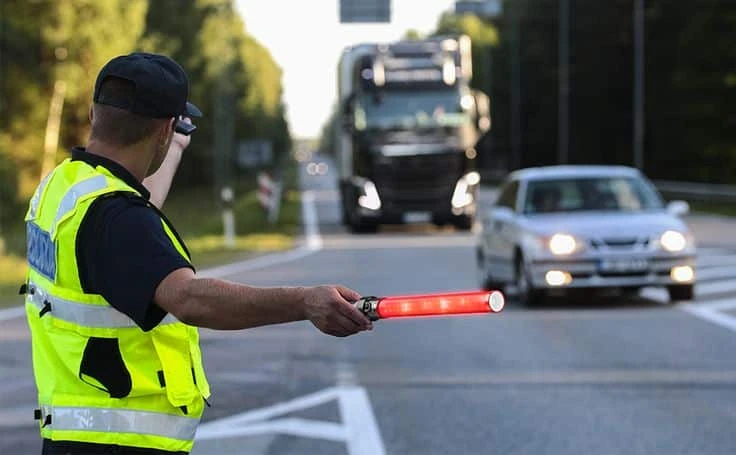
A Traffic Controller is responsible for directing traffic safely around construction zones, roadworks, and other temporary hazards. This is the role most people associate with holding a stop-slow bat and managing vehicle flow.
Key Responsibilities of a Traffic Controller
- Directing vehicles and pedestrians safely
- Using stop-slow bats and communication devices
- Following approved traffic guidance schemes
- Maintaining safety for workers and the public
- Responding to changing traffic conditions
This role is ideal for beginners entering the construction or civil industry, as it requires foundational training and offers strong job opportunities across Australia.
What Is a Traffic Management Implementer?
A Traffic Management Implementer (TMI) has a more advanced role. Instead of just controlling traffic, they are responsible for setting up, modifying, and implementing traffic management plans on worksites.
Key Responsibilities of a Traffic Management Implementer
- Installing and removing traffic control signage and devices
- Interpreting traffic management plans (TMPs)
- Ensuring compliance with safety regulations
- Supervising traffic control setups
- Adjusting traffic flow systems based on site conditions
This role involves greater responsibility and is often the next step after gaining experience as a traffic controller.
Main Differences Between Traffic Controller and TMI
| Feature | Traffic Controller | Traffic Management Implementer |
|---|---|---|
| Primary Role | Direct traffic using stop-slow bat | Set up and manage traffic control systems |
| Skill Level | Entry-level | Intermediate to advanced |
| Responsibilities | Traffic direction | Traffic planning & implementation |
| Work Scope | On-ground traffic control | Site setup and supervision |
| Career Path | Starting point | Career progression role |
Do You Need Both Certifications?
In most cases, yes. Many employers prefer candidates who hold both Traffic Controller and Traffic Management Implementer certifications. This combination is often referred to as a traffic control combo course, which provides broader job opportunities and higher earning potential.
By completing both certifications, you become more versatile and valuable on job sites, especially in large infrastructure or roadwork projects.
Which Course Should You Choose?
If you’re new to the industry, starting with a Traffic Controller course is the best option. It provides the basic skills needed to enter the workforce quickly.
However, if you’re looking to advance your career or increase your job prospects, enrolling in a combined course that includes both roles is highly recommended.
Career Opportunities and Growth
Both roles offer excellent career opportunities in Australia, especially with the ongoing demand for infrastructure development and road maintenance projects.
- Traffic Controller – Entry-level roles in roadworks and events
- Traffic Management Implementer – Higher responsibility roles with better pay
- Supervisor or Site Manager – With experience and additional certifications
These roles can also lead to long-term careers in construction, logistics, and project management.
Why Training Matters
Proper training ensures that you understand safety procedures, legal requirements, and best practices for managing traffic in high-risk environments. Without the right certification, working in these roles is not only unsafe but also non-compliant with Australian regulations.
Employers look for certified professionals who can maintain safety standards and reduce risks on-site.
Start Your Traffic Control Career Today
Whether you choose to become a Traffic Controller or advance into a Traffic Management Implementer role, the first step is getting the right training.
Enrol now in a nationally recognised course and boost your career opportunities in the construction and traffic management industry.