Dangerous goods are a part of everyday operations across many industries in Australia. From fuel and chemicals to batteries and gases, these materials pose significant risks if not handled properly. That’s why Dangerous Goods Awareness Training is essential for workers and businesses that deal with hazardous substances.
What Are Dangerous Goods?
Dangerous goods are substances or items that can pose a risk to health, safety, property, or the environment. These include flammable liquids, toxic chemicals, compressed gases, and corrosive materials. Proper classification, labeling, storage, and handling are crucial to prevent accidents.
If you’re new to this topic, you can learn more in this comprehensive guide: Dangerous Goods Awareness Explained.
Why Dangerous Goods Training Is Important
Dangerous goods training ensures that workers understand how to identify risks, follow safety procedures, and comply with Australian regulations. Without proper training, the consequences can be severe, including workplace injuries, environmental damage, and legal penalties.
Failure to comply with regulations can lead to heavy fines and legal action. Learn more about the risks here: Penalties for Non-Compliance with Dangerous Goods Laws.
1. Transport and Logistics Industry
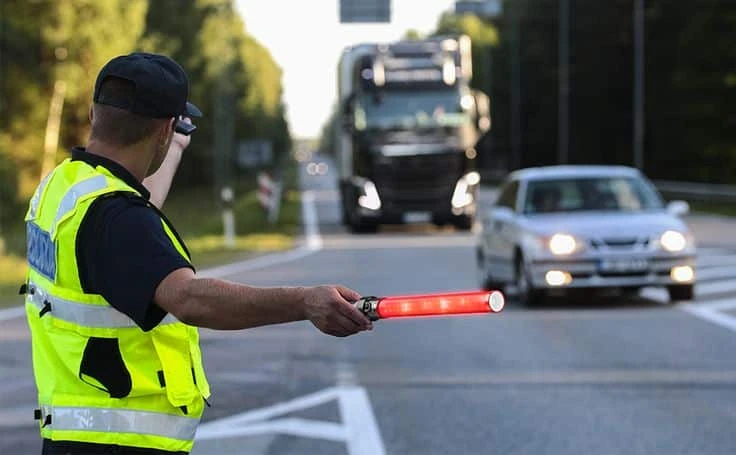
The transport and logistics sector is one of the biggest users of dangerous goods training. Workers in this industry frequently handle and transport hazardous materials such as fuel, chemicals, and industrial goods.
- Truck drivers transporting hazardous materials
- Warehouse staff handling dangerous goods
- Freight and logistics coordinators
- Supply chain professionals
Training ensures that these workers understand proper packaging, labeling, and emergency procedures during transport.
2. Construction Industry
Construction sites often involve hazardous materials such as fuels, solvents, adhesives, and gases. Workers must be aware of the risks associated with these substances and how to handle them safely.
- Site workers and labourers
- Supervisors and safety officers
- Equipment operators
Dangerous goods training helps prevent accidents and ensures compliance with workplace health and safety (WHS) regulations.
3. Mining and Resources Sector
The mining industry deals with some of the most hazardous materials, including explosives, chemicals, and flammable substances. Safety is a top priority in this sector, and proper training is essential.
- Mining operators
- Explosives handlers
- Maintenance crews
Given the high-risk environment, dangerous goods awareness is often mandatory for workers in mining operations.
4. Manufacturing and Industrial Facilities
Manufacturing plants frequently use chemicals and hazardous substances in production processes. Workers must understand how to store, handle, and dispose of these materials safely.
- Factory workers
- Production supervisors
- Maintenance staff
Proper training reduces workplace incidents and ensures smooth operations without safety disruptions.
5. Warehousing and Distribution
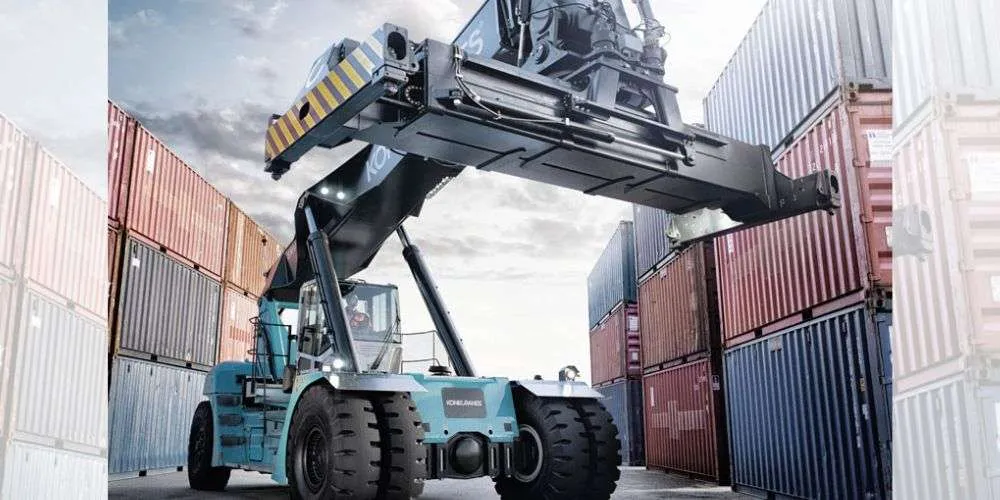
Warehouses often store large quantities of dangerous goods, including cleaning chemicals, batteries, and flammable products. Workers need to understand safe storage practices and emergency procedures.
- Warehouse operators
- Forklift drivers
- Inventory managers
Incorrect handling or storage can lead to fires, spills, or other serious hazards.
6. Oil, Gas, and Energy Sector
The oil and gas industry involves handling highly flammable and hazardous substances. Workers must follow strict safety protocols to prevent catastrophic incidents.
- Refinery workers
- Pipeline operators
- Energy sector technicians
Dangerous goods training is critical for maintaining safety and compliance in this high-risk industry.
7. Healthcare and Laboratories
Hospitals, laboratories, and medical facilities also handle dangerous goods, including chemicals, gases, and biological substances.
- Lab technicians
- Medical staff handling hazardous materials
- Waste disposal personnel
Training ensures proper handling, storage, and disposal of hazardous substances to protect both staff and patients.
8. Aviation and Maritime Industry
Airports and shipping operations must comply with strict international regulations when transporting dangerous goods.
- Airport ground staff
- Cargo handlers
- Shipping and port workers
Understanding dangerous goods classifications and transport regulations is essential in these industries.
Career Opportunities in Dangerous Goods Industries
Completing a dangerous goods awareness course can significantly improve your employability across multiple industries. Many employers actively seek trained workers who understand safety and compliance requirements.
In fact, roles involving dangerous goods handling often come with higher pay due to the level of responsibility involved. You can explore earning potential here: Salary Potential for Dangerous Goods Roles.
Who Should Take Dangerous Goods Training?
You should consider this training if you:
- Work with or around hazardous materials
- Are employed in transport, construction, or logistics
- Want to improve your job prospects
- Need to meet workplace compliance requirements
Even if it’s not mandatory for your role, having this certification can give you a competitive edge in the job market.
Final Thoughts
Dangerous goods are present in a wide range of industries, and the risks associated with them cannot be ignored. Proper training is essential not only for compliance but also for protecting lives, property, and the environment.
Whether you’re just starting your career or looking to upskill, dangerous goods awareness training is a valuable investment that opens doors across multiple industries in Australia.
Get Certified Today
Ready to boost your career and stay compliant with Australian safety regulations?
Enrol now in a nationally recognised course:
Dangerous Goods Awareness Online Course