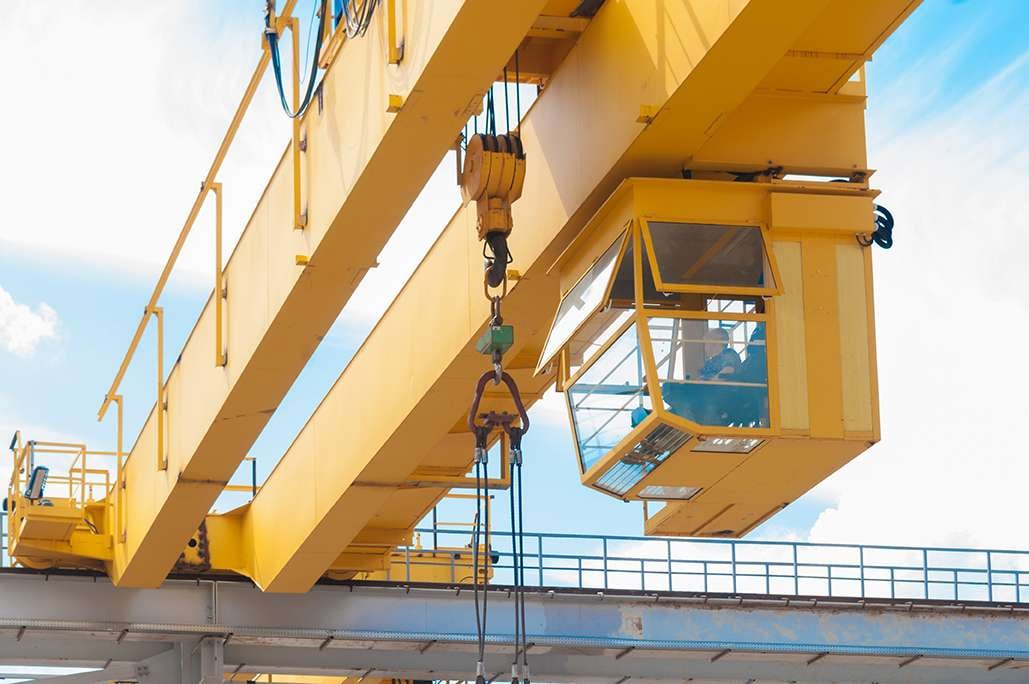
In recent years, the demand for safety training professionals in Australia has continued to climb, driven by tighter WHS compliance expectations and a growing shortage of licensed high-risk workers. Alongside traditional safety management roles, licensed trades such as crane operation, rigging, and confined space rescue have become some of the best-paid jobs in the industry. This article explores the highest-paying safety Australia training careers in 2026, covering both office-based safety roles and the high-risk licensed trades now commanding premium pay.
1. Safety Manager
Safety managers play a crucial role in ensuring organisations comply with safety regulations and maintain a safe working environment for employees. Their responsibilities include developing safety policies, conducting risk assessments, implementing safety training programs, and overseeing safety compliance. In 2026, safety managers remain among the highest-paid professionals in the safety training industry, with average salaries ranging from AUD 125,000 to AUD 165,000 per year.
2. Occupational Health and Safety (OHS) Consultant
OHS consultants provide expert advice and guidance on workplace safety practices to organisations. They assess potential hazards, conduct safety audits, and design and deliver safety training programs tailored to specific industries. In 2026, OHS consultants can expect to earn an average salary between AUD 105,000 and AUD 155,000 per year, depending on experience and qualifications.
3. Mobile Slewing Crane Operator
Crane operators remain some of the highest-paid licensed workers in Australian construction and mining, largely due to the scarcity of qualified operators relative to demand. Those holding a C1 Slewing Mobile Crane Licence or the higher-capacity C0 Slewing Mobile Crane Licence are regularly engaged on major infrastructure and resources projects, where day rates for experienced operators can push annual earnings well above AUD 130,000, particularly on FIFO or remote-site contracts.
4. Advanced Rigger
Riggers are essential on any site involving cranes, structural steel, or heavy lifting, and advanced-level qualification significantly increases earning potential. Workers who progress from Dogging through to an Advanced Rigging (RA) Licence are qualified for the most complex lifts on major construction and infrastructure projects, with experienced advanced riggers commonly earning AUD 100,000 to AUD 140,000 per year.
5. Confined Space Rescue Technician
As industries such as mining, water treatment, and oil and gas increasingly require on-site rescue-capable personnel, workers qualified to undertake confined space rescue are attracting a growing pay premium over general confined space entry workers. Combined with standby and emergency response duties, experienced rescue technicians in high-risk sectors can earn upwards of AUD 110,000 per year.
6. EWP / Boom Operator (Over 11 Metres)
Elevated work platform operators are in strong demand across construction, telecommunications, and utilities. Workers holding a licence to operate a boom-type EWP over 11 metres are qualified for higher-reach commercial and infrastructure work than scissor-lift-only operators, with experienced operators earning between AUD 85,000 and AUD 115,000 per year depending on sector and location.
7. Tower Crane Operator
Tower crane operators sit at the top end of the crane operating trade, largely due to the specialised skill required and the limited pool of licensed operators. A Tower Crane (CT) Licence qualifies operators for high-rise residential and commercial builds in major capital cities, where experienced operators can earn well above AUD 130,000 per year, especially in Sydney and Melbourne’s high-density construction markets.
8. Safety Training Coordinator
Safety training coordinators are responsible for organising and coordinating safety training programs for employees, collaborating with departments to identify training needs and deliver sessions. In 2026, their salaries range from AUD 82,000 to AUD 122,000 per year, depending on the size and complexity of the organisation.
9. Environmental Health and Safety (EHS) Manager
EHS managers specialise in ensuring compliance with environmental regulations while maintaining a safe workplace, developing policies, conducting audits, and overseeing training related to environmental safety. In industries with significant environmental impact such as manufacturing and construction, EHS managers in 2026 can expect to earn an average salary ranging from AUD 112,000 to AUD 155,000 per year.
10. Safety Officer
Safety officers are integral to maintaining a safe working environment, inspecting facilities, identifying potential hazards, and enforcing safety regulations. In 2026, safety officers can earn an average salary of AUD 72,000 to AUD 102,000 per year, with higher figures typical in mining and remote-site roles.
Salary Snapshot: Top Safety and High-Risk Licensed Roles (2026)
| Role | Typical Annual Salary Range (AUD) |
|---|---|
| Safety Manager | 125,000 – 165,000 |
| Mobile Slewing Crane Operator (C1/C0) | Up to 130,000+ |
| Tower Crane Operator (CT) | Up to 130,000+ |
| OHS Consultant | 105,000 – 155,000 |
| Advanced Rigger (RA) | 100,000 – 140,000 |
| Confined Space Rescue Technician | 110,000+ |
| EHS Manager | 112,000 – 155,000 |
| EWP / Boom Operator (11m+) | 85,000 – 115,000 |
| Safety Training Coordinator | 82,000 – 122,000 |
| Safety Officer | 72,000 – 102,000 |
Figures are indicative averages and vary by state, industry, experience, and whether the role includes remote or FIFO site work.
Conclusion
The demand for safety Australia training professionals in 2026 continues to create lucrative career opportunities — not just in traditional safety management, but increasingly in licensed high-risk trades. Safety managers, OHS consultants, EHS managers, and safety coordinators remain well paid, while crane operators, advanced riggers, confined space rescue technicians, and EWP operators are proving that hands-on licensed roles can rival — and sometimes exceed — office-based safety salaries. As organisations continue to prioritise compliance and site safety, pursuing the right licence or qualification remains one of the most reliable paths to a high-earning, in-demand career across Australia.