
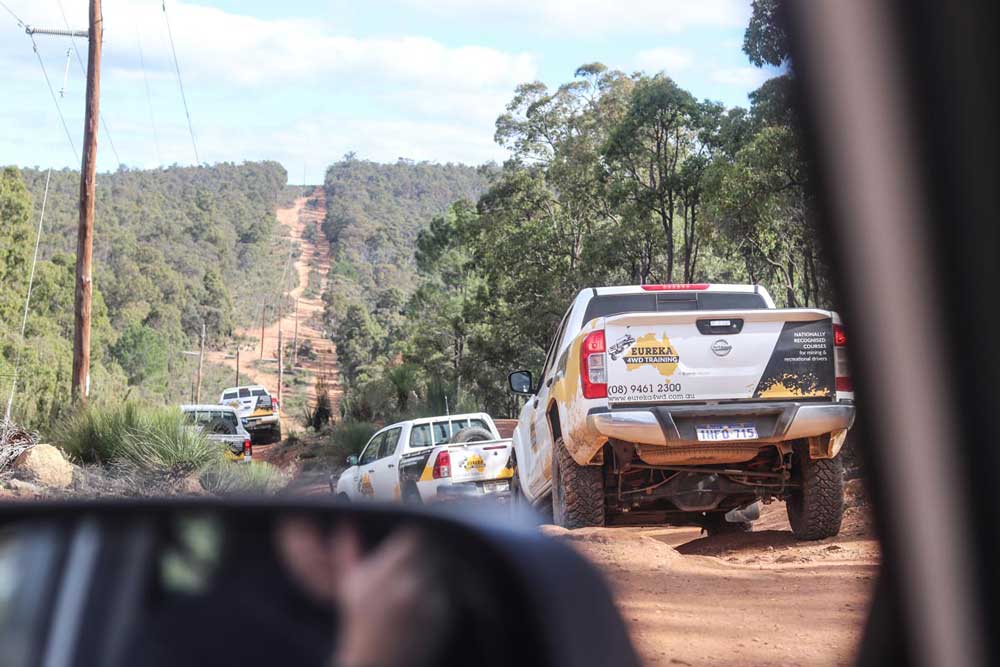
For SES, RFS, and ambulance workers, 4WD skills are literally life-saving. In high-pressure situations, you need to drive with confidence through floodwaters or over fire-damaged tracks to reach those in need. When every second counts, the difference between a successful rescue and becoming a casualty yourself often comes down to your technical handling of a high-clearance vehicle.
While standard off-roading is about leisure, survival driving is about mission-critical mobility. To operate effectively in disaster zones, responders must go beyond basic trail knowledge and master the everything about 4WD training that applies specifically to emergency maneuvers and hazardous environments.
Safe Water Crossing Techniques for Emergency Vehicles
Flood rescue is one of the most common high-stakes scenarios for Australian responders. However, moving water is incredibly powerful, and emergency vehicles—despite their size—are susceptible to being swept away.
-
Depth and Flow Assessment: Before committing, responders must use a depth gauge or a physical marker to ensure the water is below the vehicle’s wading depth. In survival situations, the “bow wave” technique is essential—driving at a constant speed to create a pocket of air in front of the engine, preventing water intake.
-
The “Silt and Debris” Hazard: Floodwaters often hide washed-out roads or submerged debris. Responders are trained to engage low-range 4WD and maintain a steady second-gear crawl to ensure maximum torque and control if the tires hit soft silt or hidden obstacles.
Navigating Low-Visibility Environments (Smoke and Dust)
Whether it’s a bushfire front or a dust storm in the outback, zero-visibility driving is a psychological and technical challenge.
-
Tactical Lighting and Signaling: Relying on high-beams in heavy smoke creates “backscatter,” actually reducing visibility. Responders use low-mounted fog lights or amber beacons to cut through the haze.
-
Sensor Reliance vs. Manual Skill: While modern vehicles have proximity sensors, smoke can often confuse these systems. A skilled responder knows how to use the vehicle’s “feel” and low-speed crawling to stay on the track when visual markers are gone. Maintaining a safe following distance is the number one priority to avoid multi-vehicle pile-ups in disaster zones.
Enrol in specialized 4WD Training for Emergency Responders today.
Rapid Recovery of Vehicles in Precarious Positions
In an emergency, you don’t always have the luxury of a 45-minute winch setup. Rapid recovery is about using the right gear safely and quickly.
-
Kinetic Energy Recovery: When a support vehicle is bogged in a high-threat area (like an approaching fire front), using a GearAmerica Recovery Kit or an ARB Essentials Recovery Kit allows for a fast “snatch” recovery.
-
Precarious Anchoring: Responders must be experts in identifying “last resort” anchor points when traditional trees or stakes aren’t available. Understanding the physics of angles ensures that the recovery force doesn’t flip the vehicle or snap the line.
Essential Gear for Emergency Responders
Having the right equipment on board is non-negotiable for survival driving. Here are the top-rated recovery solutions for 2026:
| Feature | GearAmerica Recovery Kit | ARB Essentials Kit |
| Best For | Heavy-duty industrial use | Rapid snatch recoveries |
| Key Component | 9-Ton Snatch Ring | 8,000kg Snatch Strap |
| Durability | High-tensile forged steel | Reinforced nylon |
Secure Your Skills for the Front Line
For those in the emergency services, your vehicle is your most important tool. Don’t wait for a disaster to realize you lack the necessary tactical skills. Our nationally accredited training ensures you are prepared for the worst conditions Australia can throw at you.


