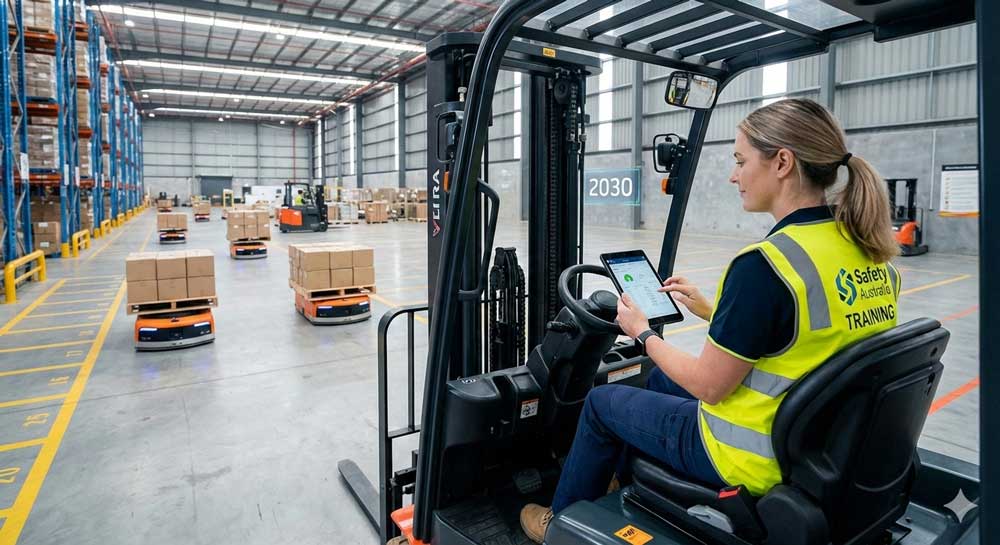
In the fast-evolving landscape of Australian logistics, a common question echoes through warehouses from Brisbane to Perth: “Will a robot be doing my job in five years?” As we approach 2030, the “automation revolution” is no longer a futuristic concept—it is already here. Automated Guided Vehicles (AGVs) and AI-driven systems are becoming standard fixtures in high-volume distribution centers. However, the headline that “robots are replacing humans” misses the most important part of the story.
Instead of replacing operators, technology is redefining the role. Here is why the human forklift operator is more essential—and more valuable—than ever before.
The “Judgment Gap”: Why Robots Still Need Humans
While a robot is excellent at moving a standard pallet from Point A to Point B on a perfectly flat, clean floor, it lacks situational awareness. In a dynamic Australian warehouse, conditions are rarely “perfect.”
-
The “Dodgy” Pallet: An automated system may struggle with a splintered pallet or a load that has shifted during transit. A licensed human operator uses their experience to assess the stability and safety of a load before lifting.
-
Complex Maneuvers: Loading a curtain-sider truck or navigating a busy construction site requires a level of finesse and spatial reasoning that current AI hasn’t mastered.
-
Safety Emergencies: If a pedestrian wanders into a restricted zone or another vehicle makes an unpredictable move, a human’s ability to react and problem-solve in real-time is the ultimate safety net.
From Driver to “Technology Supervisor”
By 2030, the most successful forklift operators won’t just be “drivers”—they will be technology-integrated professionals. Modern automation actually creates higher-skilled, better-paying positions. Many companies now look for “Automation-Ready” operators who can supervise robotic fleets, troubleshoot software alerts, and handle the “exceptions” that the machines can’t manage. This shift is one of the many ways how a forklift ticket course can boost your career opportunities, moving you from a manual laborer to a technical specialist.
A Safer, More Sustainable Workplace
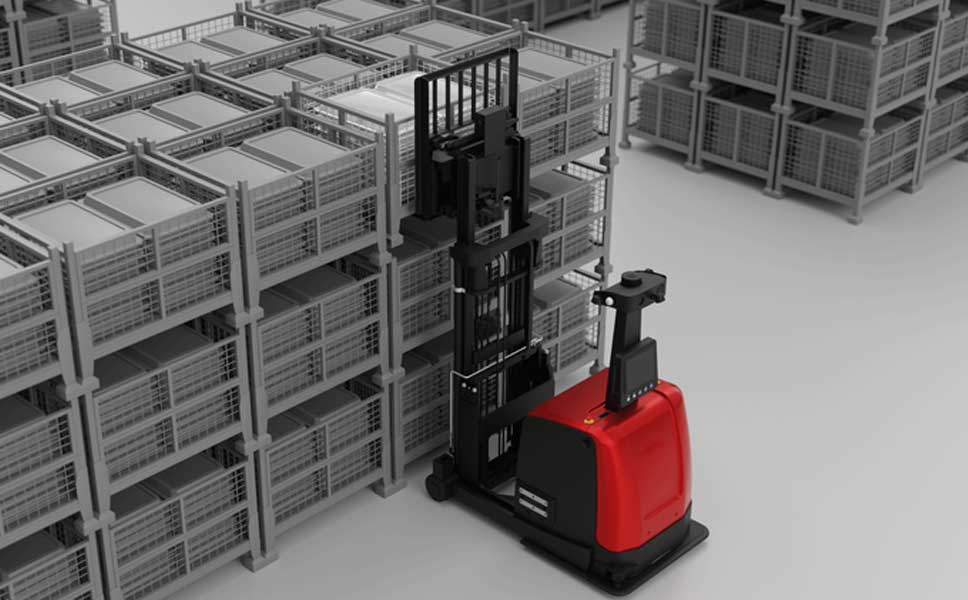
The integration of automation is actually making the industry safer. In the past, human fatigue and repetitive strain were major causes of warehouse accidents. Today, robots handle the boring, repetitive “long-hauls,” while humans focus on high-precision tasks.
This partnership reduces the risk of collisions and tip-overs, but it requires a human who is deeply trained in Risk Assessment and WHS (Work Health and Safety) protocols. A robot is only as safe as the human managing the environment around it.
The Verdict: Is Your Career Safe?
The demand for forklift operators in Australia is projected to remain strong through 2030. In fact, as the e-commerce sector grows, the need for licensed, skilled operators is actually increasing.
The key to “future-proofing” your career is not to fear automation, but to master the skills required to work alongside it. A forklift license is no longer just a ticket to drive—it is a foundation for a career in the sophisticated supply chain of tomorrow.
Ready to Future-Proof Your Career?
Don’t wait for the future to catch up to you. Whether you are looking to enter the industry or upgrade your existing skills, getting your accredited certification is the first step toward a secure, high-paying career in the age of automation.
Book your training today at Safety Australia Training – Forklift Licence Courses and become an essential part of the 2030 workforce.