If you’re considering a career in construction, infrastructure, or roadworks, obtaining a Traffic Control Card is one of the fastest ways to enter the industry. With ongoing road projects and infrastructure development across Australia, traffic control roles are in high demand and offer strong earning potential and career growth.
Why Traffic Control Skills Are in Demand
Traffic controllers play a vital role in maintaining safety on worksites. They manage vehicle and pedestrian flow, ensure compliance with safety regulations, and help prevent accidents in high-risk environments.
There are currently hundreds of job opportunities across Australia for traffic controllers, with both entry-level and experienced roles available. :contentReference[oaicite:0]{index=0}
Additionally, many roles offer competitive pay, with average salaries ranging from around $40,000 to $100,000 depending on experience and workload. :contentReference[oaicite:1]{index=1}
1. Traffic Controller (Entry-Level Role)
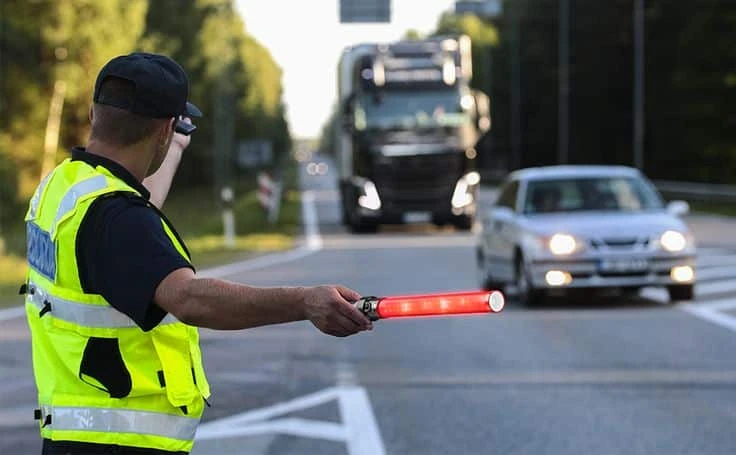
This is the most common job you can get after completing your course. As a Traffic Controller, you’ll be responsible for directing traffic using a stop-slow bat and ensuring the safety of both workers and the public.
- Manage traffic flow around construction zones
- Communicate with team members via radio
- Follow traffic management plans
- Ensure compliance with safety standards
This role is ideal for beginners and requires minimal experience, making it a great starting point for a long-term career.
2. Traffic Management Implementer (TMI)
A step up from a Traffic Controller, a Traffic Management Implementer is responsible for setting up and maintaining traffic control systems on-site.
- Install signage, cones, and barriers
- Interpret traffic management plans
- Adjust setups based on site conditions
- Supervise traffic control operations
If you want to understand the difference between these two roles in more detail, read this guide on Traffic Controller vs Traffic Management Implementer.
3. Traffic Control Team Leader
With experience, you can progress into a team leader role, where you oversee traffic control crews and ensure everything runs smoothly on-site.
- Coordinate team activities
- Ensure safety compliance
- Communicate with supervisors and project managers
- Manage daily operations
This role offers higher pay and more responsibility, making it a popular career progression path.
4. Traffic Management Supervisor
A Traffic Management Supervisor is responsible for overseeing large-scale traffic operations, especially on major infrastructure projects.
- Plan and implement traffic management strategies
- Supervise multiple teams
- Ensure legal compliance and safety standards
- Conduct site inspections
This role typically requires additional certifications and experience but offers excellent long-term career potential.
5. Event Traffic Controller
Traffic control isn’t limited to construction sites. Many professionals work at events such as concerts, festivals, and sporting events.
- Manage parking and vehicle flow
- Direct pedestrian movement
- Ensure public safety during large gatherings
This is often casual work and can be a great way to gain experience.
6. Roadwork and Civil Construction Worker
Many traffic controllers transition into broader roles within the construction industry. Your experience on-site gives you valuable insight into how projects operate.
- Assist with road construction and maintenance
- Work alongside engineers and site managers
- Gain skills for higher-paying roles
Career Growth and Opportunities
The traffic control industry offers a clear career path. You can start as a Traffic Controller and move into more advanced roles like Implementer, Supervisor, or even Site Manager.
There are also opportunities to upskill with additional certifications such as:
- Working at Heights
- First Aid Training
- Chain of Responsibility (CoR)
- Construction Safety Courses
Many employers value multi-skilled workers, which can significantly increase your earning potential.
What Employers Look For
To succeed in traffic control roles, employers typically look for:
- Valid Traffic Control certification
- White Card (construction induction)
- Strong communication skills
- Ability to work in different weather conditions
- Commitment to safety and compliance
Even without experience, many companies are willing to hire entry-level workers who are properly trained and motivated.
Start Your Career in Traffic Control Today
Getting your Traffic Control Card is a smart move if you’re looking for a stable, well-paying job in Australia’s growing construction and infrastructure sector.
With hundreds of job openings and strong demand across the country, now is the perfect time to get started. :contentReference[oaicite:2]{index=2}
Enrol now and take the first step toward a rewarding career:
Traffic Controller & Traffic Management Implementer Course