
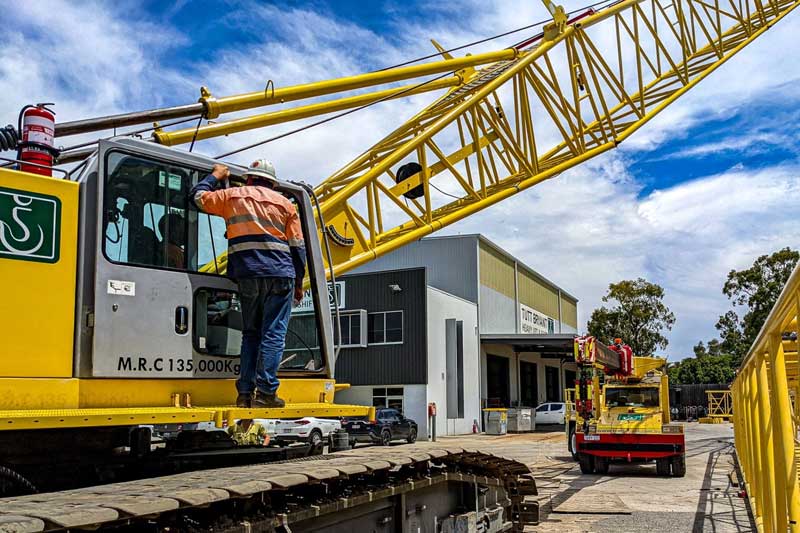
Safety is not optional in crane operations — it’s the foundation of every successful lift. For new C6 slewing mobile crane operators, most incidents don’t happen because of complex failures, but due to simple, preventable mistakes. The good news? These risks can be significantly reduced with the right training, preparation, and on-site awareness.
This article breaks down the top 10 safety mistakes new C6 crane operators make and explains exactly how accredited training and best-practice procedures help you avoid them.
1. Skipping or Rushing Pre-Start Checks
The mistake:
New operators often rush pre-start inspections due to time pressure or overconfidence.
Why it’s dangerous:
Undetected hydraulic leaks, faulty controls, or worn components can lead to mechanical failure during lifts.
How to avoid it:
Always follow a structured pre-start checklist covering hydraulics, brakes, outriggers, wire ropes, and safety devices.
👉 Training helps mitigate these risks — learn more on the C6 Crane Ticket course page.
2. Improper Load Handling and Misjudging Weight
The mistake:
Underestimating load weight or failing to account for load radius.
Why it’s dangerous:
Overloading is a leading cause of crane tip-overs and structural damage.
How to avoid it:
Use load charts correctly, verify weights, and factor in radius, boom length, and configuration every time.
3. Ignoring Weather and Environmental Conditions
The mistake:
Operating in high winds, rain, or poor visibility without reassessment.
Why it’s dangerous:
Wind can cause load swing, reduce control, and exceed safe operating limits.
How to avoid it:
Continuously monitor weather conditions and suspend operations when limits are exceeded — safety always outweighs deadlines.
4. Incorrect or Unsafe Rigging Practices
The mistake:
Using the wrong slings, incorrect angles, or damaged rigging equipment.
Why it’s dangerous:
Rigging failure can result in dropped loads, serious injury, or fatalities.
How to avoid it:
Ensure all rigging gear is inspected, rated correctly, and used within safe working limits.
Top 7 Safety Mistakes New C6 Crane Operators Make and How to Avoid Them?
5. Poor Communication With Doggers and Spotters
The mistake:
Misunderstanding hand signals or relying on assumptions instead of clear communication.
Why it’s dangerous:
Miscommunication leads to uncontrolled movements and unsafe lifts.
How to avoid it:
Confirm signals before lifting and stop operations immediately if communication is unclear.
6. Inadequate Outrigger Setup
The mistake:
Incorrect outrigger extension or unstable ground preparation.
Why it’s dangerous:
Poor stability dramatically increases the risk of crane overturning.
How to avoid it:
Fully extend outriggers, use appropriate pads, and assess ground conditions thoroughly.
7. Operating Too Close to Power Lines
The mistake:
Failing to maintain minimum exclusion zones near overhead power lines.
Why it’s dangerous:
Electrocution is one of the most fatal crane-related hazards.
How to avoid it:
Always identify power lines during site planning and maintain regulated clearances.
8. Exceeding Personal Skill Limits
The mistake:
Attempting complex lifts without sufficient experience or supervision.
Why it’s dangerous:
Overconfidence increases error rates and risk exposure.
How to avoid it:
Gain experience progressively and rely on formal training to build confidence safely.
9. Neglecting Load Stability During Slewing
The mistake:
Slewing too quickly or without controlling load swing.
Why it’s dangerous:
Uncontrolled loads can strike structures, workers, or destabilise the crane.
How to avoid it:
Operate smoothly, maintain control, and anticipate load movement at all times.
10. Not Taking Accredited Training Seriously
The mistake:
Viewing training as a box-ticking exercise rather than a safety investment.
Why it’s dangerous:
Lack of understanding increases risk, non-compliance, and job limitations.
How to avoid it:
Complete nationally recognised training that focuses on real-world scenarios, not just assessment tasks.
Why Proper C6 Training Makes the Difference
Accredited C6 slewing mobile crane training doesn’t just help you pass an assessment — it equips you with the decision-making skills, hazard awareness, and confidence required to operate safely on real job sites.
Well-trained operators:
-
Reduce incidents and downtime
-
Improve employability
-
Protect themselves and their crews
-
Meet WHS compliance requirements


