Reach stackers and forklifts are both critical pieces of equipment in logistics, warehousing, and container handling — but they are designed for very different tasks. Choosing the wrong machine for your site can lead to inefficiencies, safety risks, and unnecessary costs.
In this guide, we break down the key differences between reach stackers and forklifts, helping employers, site managers, and operators determine which equipment is best suited to their operational needs.
1. Core Functions: Reach Stacker vs Forklift
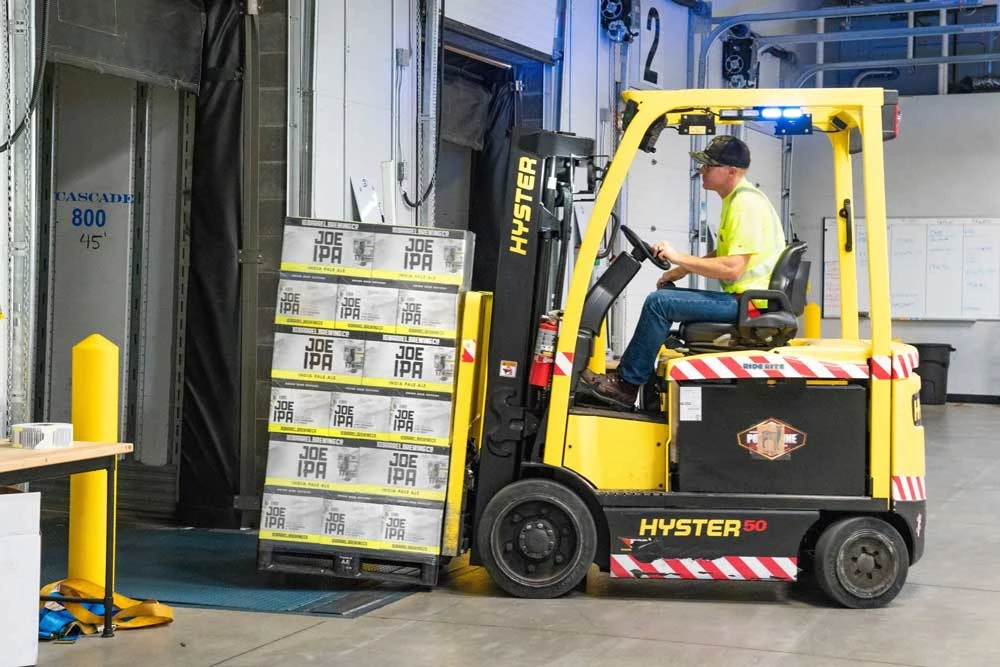
Forklifts are primarily designed for:
-
Short-distance material handling
-
Palletised goods in warehouses
-
Indoor or flat, controlled environments
They excel at moving loads horizontally and stacking them at relatively low heights.
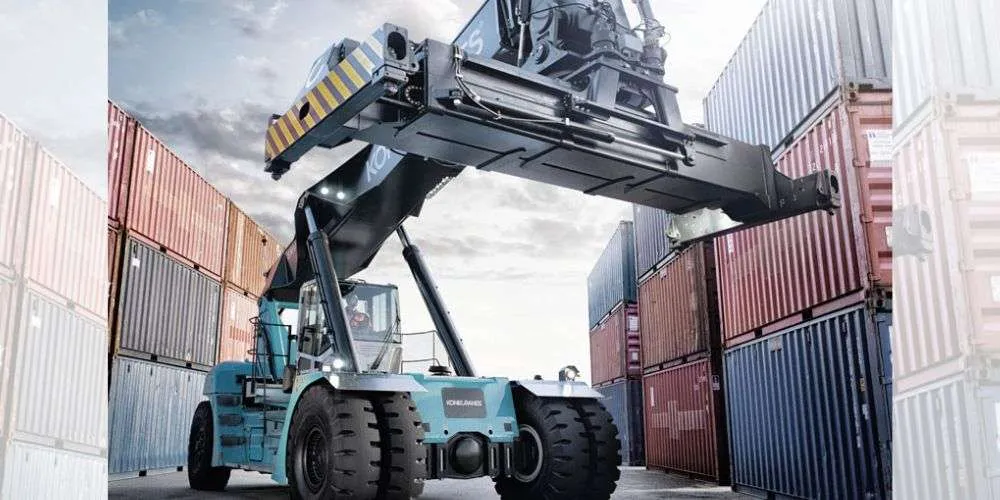
Reach stackers, on the other hand, are purpose-built for:
-
Lifting and stacking shipping containers
-
Operating in ports, freight yards, and container terminals
-
Handling extreme loads with forward reach
A reach stacker uses a telescopic boom, allowing it to lift containers several rows deep — something a forklift simply cannot do.
For a detailed explanation of how reach stackers work and when they’re legally required, see Everything about Reach Stackers and the RS Licence (TLILIC0011).
2. Load Capacities & Typical Use Cases
One of the biggest deciding factors is load capacity.
Forklifts:
-
Common capacity: 1–5 tonnes
-
Best for pallets, crates, and general freight
-
Widely used in warehouses, retail distribution centres, and factories
Reach Stackers:
-
Capacity: up to 45 tonnes (depending on configuration)
-
Designed specifically for ISO shipping containers
-
Used in ports, intermodal yards, rail terminals, and large logistics hubs
If your operation involves containerised freight, a reach stacker is not optional — it’s essential.
3. Site Environment & Space Considerations
Your site layout plays a major role in equipment selection.
Forklifts are ideal for:
-
Indoor environments
-
Narrow aisles
-
Smooth, level flooring
Reach stackers are built for:
-
Outdoor environments
-
Uneven surfaces
-
Large open yards with heavy vehicle traffic
They offer superior visibility, stability systems, and reach — but require trained operators due to their complexity and risk profile.
4. Cost Implications & Training Requirements
Equipment Costs
-
Forklifts are generally cheaper to purchase, hire, and maintain
-
Reach stackers represent a higher capital investment but deliver greater productivity for container operations
Licensing & Training
Forklifts are generally cheaper to purchase, hire, and maintain
Reach stackers represent a higher capital investment but deliver greater productivity for container operations
Operating a forklift and a reach stacker require different high-risk work competencies.
Reach stacker operators must complete accredited training and assessment to obtain an RS licence, ensuring they understand:
-
Load dynamics
-
Stability limits
-
Safe container handling
-
WHS compliance requirements
This training significantly reduces the risk of incidents, equipment damage, and downtime.
Conclusion: Which One Is Right for You?
Choose a forklift if your work involves:
-
Palletised goods
-
Indoor warehousing
-
Light to medium loads
Choose a reach stacker if your operation involves:
-
Shipping containers
-
Heavy loads
-
Ports, rail yards, or large outdoor logistics sites
Selecting the right equipment — and ensuring operators are properly licensed — is critical for safety, efficiency, and legal compliance.
Get Licensed and Operate Confidently
If you’re planning to operate a reach stacker or manage container handling operations, accredited training is essential.
Get licensed today:
https://safetyaustraliatraining.com.au/reach-stacker-rs-licence/
Professional training ensures safer operations, improved productivity, and full WHS compliance.