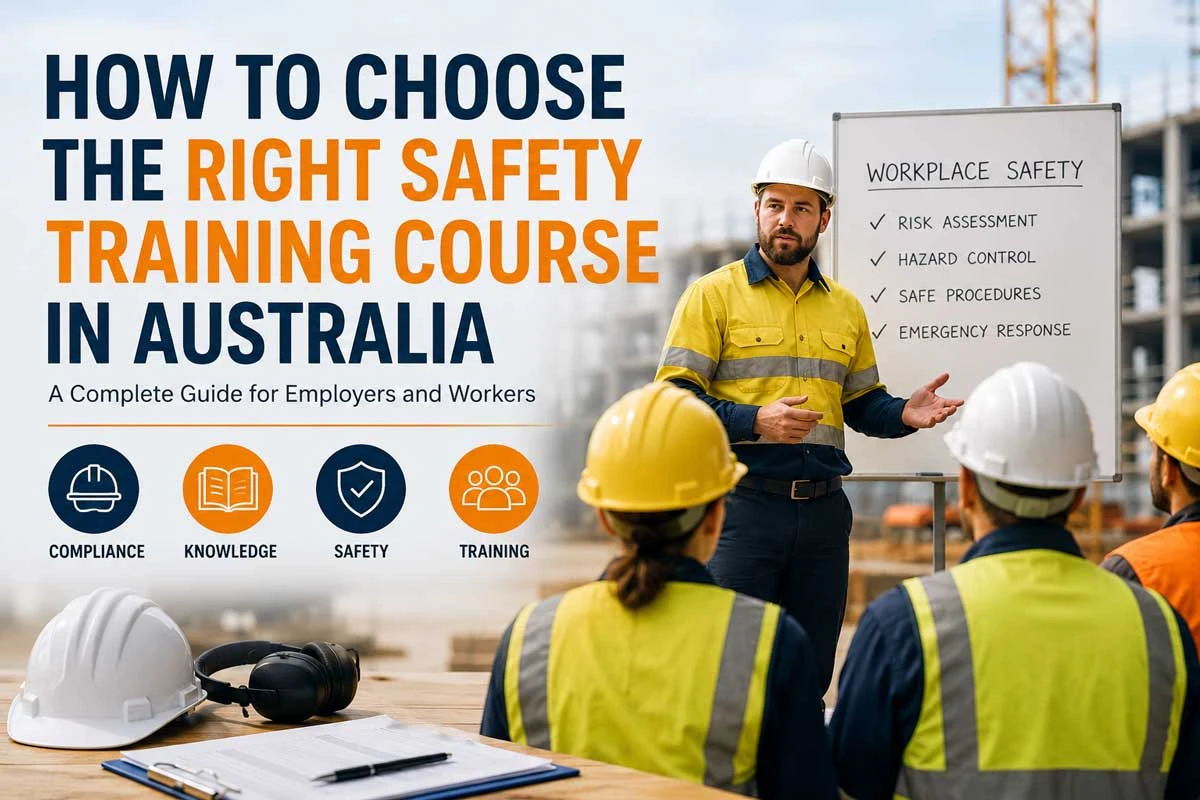
Workplace safety is one of the most important responsibilities for Australian businesses across industries such as construction, logistics, mining, warehousing, and manufacturing. Choosing the right safety training course is not only about meeting compliance requirements — it is about ensuring workers have the knowledge and practical skills needed to prevent accidents and manage workplace risks effectively.
With many training organisations and different course options available, employers and workers often find it challenging to decide which safety training program best suits their needs. The right course should match the risks of the workplace, the responsibilities of the worker, and the legal requirements of the industry.
Why Choosing the Right Safety Training Matters
A quality safety training program helps employees understand workplace hazards, improve risk awareness, and develop safer working behaviours. Effective training goes beyond theory by focusing on real workplace situations and practical skills.
For businesses, investing in proper safety training can help reduce workplace incidents, improve productivity, and create a stronger safety culture.
Understand Your Workplace Safety Requirements
Before selecting a course, it is important to identify the specific risks associated with your industry and job role.
For example:
- Construction workers may require White Card training, working at heights, or confined space training.
- Warehouse employees may need forklift licensing and high-risk work training.
- Workers operating elevated platforms may require EWP training.
- Emergency response teams may benefit from first aid, CPR, and rescue training.
Choosing a course that directly relates to workplace duties ensures employees receive relevant and practical knowledge.
Look for Accredited and Industry-Relevant Training
A reliable safety training provider should offer recognised training programs delivered by experienced trainers. Employers should consider the provider’s reputation, course quality, practical assessments, and industry experience.
Because the Australian safety training sector includes many different providers, comparing available options carefully is essential. A detailed comparison of leading organisations can help businesses understand what makes a safety training provider stand out. You can also read our guide about the top safety training providers in Australia to compare important factors when selecting a training partner.
Popular Safety Training Courses Australian Workers Need
Different industries require different certifications. Some of the most common workplace safety courses include:
Forklift Licence Training
Forklifts are widely used in warehouses, construction sites, and industrial environments. Proper forklift training helps operators understand safe operation, workplace hazards, load management, and equipment checks.
EWP Training and Licence
Elevated Work Platforms require specific skills to operate safely. Training helps workers understand equipment controls, risk management, and emergency procedures.
White Card Training
White Card training is essential for people entering the construction industry in Australia. It provides workers with fundamental knowledge about workplace health and safety responsibilities.
Working at Heights Training
Falls are one of the major workplace risks in many industries. Working at Heights training teaches workers how to identify hazards and use appropriate safety procedures.
Confined Space Training
Confined spaces can create serious risks due to limited access, hazardous atmospheres, and emergency challenges. Proper training ensures workers understand safe entry procedures and risk controls.
Safety Training for Businesses: Individual vs Corporate Training
Businesses often need to train multiple employees at the same time. Corporate safety training programs can provide a more efficient solution by allowing organisations to arrange training based on their workplace requirements.
Many providers offer customised workplace training covering areas such as emergency response, WHS management, high-risk work licences, and industry-specific safety requirements.
How to Choose a Safety Training Provider
When comparing safety training providers, consider:
- Trainer experience and industry background
- Practical hands-on training opportunities
- Course availability and locations
- National recognition of qualifications
- Customer support and booking flexibility
- Range of available safety courses
A provider offering multiple safety services can be beneficial because businesses can manage different training needs through one trusted partner.
Building a Strong Workplace Safety Culture
Safety training should not be viewed as a one-time requirement. The most successful organisations treat safety as an ongoing process involving regular training, communication, and improvement.
When employees receive the right education and practical experience, they become more confident in identifying hazards and preventing incidents.
Final Thoughts
Choosing the right safety training course in Australia requires understanding workplace risks, industry requirements, and the quality of the training provider. Whether you need a forklift licence, EWP training, emergency response skills, or general WHS education, selecting the right program can make a significant difference in workplace safety outcomes.
For organisations looking for reliable training options, exploring available workplace safety courses and comparing providers is the first step toward creating a safer and more productive workplace.