These aren’t just certificates to hang on a wall. They are daily tools that shape every interaction, from pouring the first beer of the day to helping a patron cash out their winnings. This article takes you behind the bar and onto the gaming floor to explore what a typical shift looks like for a hospitality worker armed with both RSA and RCG training, and why this combo is your golden ticket to a sustainable, respected career.
Morning Shift: Setting the Scene (and the Rules)
Imagine you’re a duty manager at a large registered club in NSW. Your shift starts at 9:00 AM. The first task isn’t just unlocking the doors — it’s mentally preparing to apply two different but connected regulatory frameworks.
Your RSA certification reminds you that alcohol service laws apply even at 10:00 AM. A patron asking for a double whiskey might be a shift worker finishing a night job, or someone starting early. Your training kicks in: observe, assess, and prepare to apply the guidelines you learned in the Provide responsible service of alcohol unit (SITHFAB021).
At the same time, you glance at the gaming room. The overnight cleaner has finished, but the Responsible Conduct of Gambling (RCG) principles from your SITHGAM022 training are already active. You check that signage for Gambling Help is visible, that the “cash out” limits are displayed, and that no minors are lingering near the machines.
Mid-Morning: The First Patron Interactions
By 11:00 AM, the early crowd arrives. At the bar, a group of retirees orders a round of beers. Your RSA training tells you to check for signs of existing intoxication, even early in the day. You serve politely, offer food, and ensure you have a system to track standard drinks.
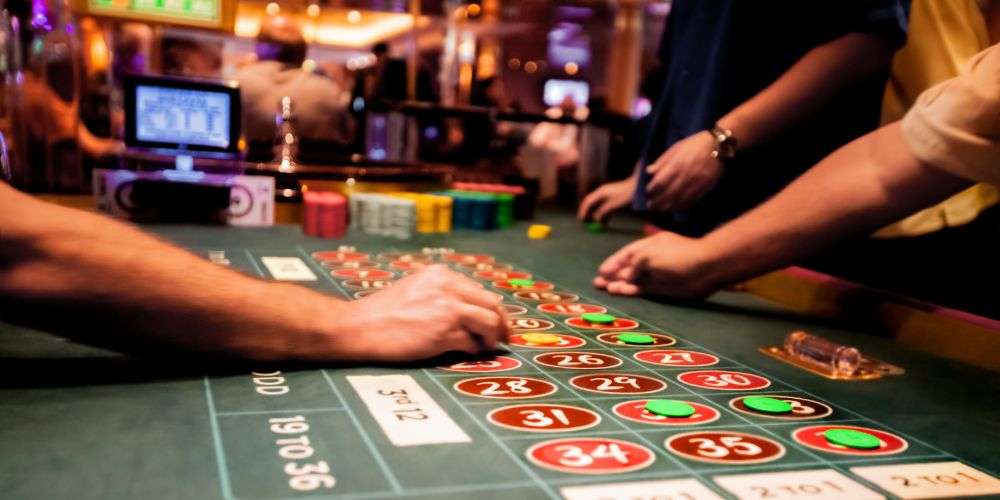
But then, one of the group moves from the bar to a gaming machine. This is where your RCG knowledge becomes vital. You remember from your course that responsible gambling services require you to monitor patrons for behavioural changes. You watch for prolonged play, rapid betting, or signs of distress.
What makes the RSA + RCG combination so powerful is the overlap. A patron who is intoxicated by alcohol is far more likely to make poor gambling decisions. Conversely, someone deep in problem gambling might drink faster to numb their emotions. With both certifications, you see the whole person, not just a drinker or a gambler.
Lunch Rush: Handling Dual Responsibilities
Noon to 2:00 PM is chaos. Food orders, drink refills, and the gaming floor heats up. As a certified RSA holder, you perform a “secret” task every few minutes: scanning the room for patrons showing signs of intoxication — slurred speech, unsteady balance, or loud behaviour.
Your RCG training adds another layer: you also scan for signs of problem gambling. Does a patron keep feeding notes into a machine without cashing out? Are they refusing to take a break? Have they been playing the same machine for over two hours without food or water?
In your RCG course, you learned your responsibility to prevent addiction in gamblers. That doesn’t mean banning them — it means engaging. You approach politely: “Hi there, just checking if you’d like a complimentary water or a meal voucher? We also have a self-exclusion program if you ever feel the need.”
Without RCG training, many staff would ignore this, fearing confrontation. With it, you have the legal and ethical framework to act.
Afternoon: Refusing Service – The Hardest Part
Around 3:00 PM, a patron at the bar has had too much. They’re not aggressive, but they’re clearly intoxicated. Your RSA training gives you the tools: you identify the signs, you call a colleague as a witness, and you refuse service politely but firmly: “Sorry mate, I can’t serve you any more alcohol today. Can I call you a taxi or get you some food?”
An hour later, in the gaming area, a different challenge arises. A patron has been playing a single machine for four hours and has started using an ATM repeatedly. This is a red flag for problem gambling. Your RCG training (or Responsible Gambling Services as it’s also known) kicks in. You initiate a conversation, offer information about the venue’s self-exclusion program, and log the interaction.
Both situations are uncomfortable. But with dual certification, you’re not guessing — you’re applying nationally accredited units (SITHFAB021 and SITHGAM022) that give you legal protection and professional confidence.
Evening Peak: The True Test
7:00 PM to 11:00 PM is the ultimate exam. The bar is three rows deep. The gaming floor is full. Music is loud. This is where your training becomes instinct.
Your RSA refresher knowledge from the RSA: your key to serving up good times and avoiding bad ones article is invaluable. You know that good times can turn bad fast. You monitor drink pacing, refuse service when needed, and manage crowds.
Simultaneously, your RCG skills are active. You notice a young adult who looks under 25 entering the gaming area. You politely ask for ID. You remember that people under 18 are not permitted to use gaming machines. You enforce the law calmly.
You also keep an eye on the TAB terminal. A patron is placing rapid-fire bets on races. You recall your training: gambling legislation in NSW requires you to intervene if you suspect harm. You offer a brochure for Gambling Helpline and suggest a break.
Late Night: Closing Procedures and Self-Care
As the venue empties, your work isn’t done. Your RSA training reminds you to check the car park for any patrons who might be too intoxicated to drive. You offer to call a taxi or rideshare.
Your RCG training requires you to audit the gaming room: are there any patrons still playing who seem distressed? Do you need to file an incident report about a potential problem gambler?
Finally, you clock out. But the most important part of RSA + RCG training is often overlooked: self-care. Dealing with intoxication and addiction daily is stressful. Good training includes knowing when to seek support for yourself.
Why You Need Both RSA and RCG Certifications
If you’re planning a career in Australian hospitality — especially in NSW pubs, clubs, casinos, or any venue with both a bar and gaming machines — RSA and RCG are not optional. They are the law.
As highlighted in our comprehensive guide to RSA, RCG, and barista courses in Australia, having both certifications makes you highly versatile. You can work behind the bar, on the gaming floor, or float between both. Employers in Sydney, Melbourne, and Brisbane actively seek staff with the RSA + RCG combo because it reduces legal risk and improves customer care.
The Legal and Career Reality
• In NSW, if you work in a venue with gaming machines, you must complete RCG training within three months of starting.
• RSA is mandatory for anyone selling, serving, or supplying alcohol in a licensed venue.
• Most employers won’t hire you for a front-line role unless you have both, because they need staff who can work anywhere.
From a career perspective, dual certification opens doors to higher pay rates, more shift opportunities, and pathways to roles like venue manager or gaming supervisor.
Online vs In-Class: Choosing Your Learning Path
One question many students ask is whether to take their RCG course online or in a classroom. Both options are valid, but they suit different learning styles.
If you’re disciplined with time and prefer self-paced study, online RCG courses offer flexibility. You can complete modules from home, on your phone, or during lunch breaks. However, if you thrive on interaction and real-time feedback, in-class training provides role-playing scenarios that mimic real-life interventions.
To help you decide, read our detailed comparison: Online vs In-Class RCG Courses: Which One Is Better? The good news? Whether you choose online or face-to-face, the certification is nationally recognised and equally valued by employers.
Real-Life Scenarios Where RSA + RCG Save the Day
Scenario A: The Birthday Party
A group is celebrating loudly. They’ve had several rounds of shots. You notice one person is swaying and spilling drinks. Your RSA training says: stop serving alcohol to that individual. You do so politely, offer water, and ensure they have a safe ride home. Problem avoided.
Scenario B: The Late-Night Gambler
A patron has been playing a single poker machine for six hours. They’ve lost several hundred dollars and are now withdrawing more cash from an ATM. Your RCG training tells you this is high-risk behaviour. You approach, offer information about the venue’s pre-commitment limits and self-exclusion program. You document the interaction. Later, that patron thanks you — they hadn’t realised how much time had passed.
Without training, you’d walk past. With RSA + RCG, you act.
A group is celebrating loudly. They’ve had several rounds of shots. You notice one person is swaying and spilling drinks. Your RSA training says: stop serving alcohol to that individual. You do so politely, offer water, and ensure they have a safe ride home. Problem avoided.
A patron has been playing a single poker machine for six hours. They’ve lost several hundred dollars and are now withdrawing more cash from an ATM. Your RCG training tells you this is high-risk behaviour. You approach, offer information about the venue’s pre-commitment limits and self-exclusion program. You document the interaction. Later, that patron thanks you — they hadn’t realised how much time had passed.
Without training, you’d walk past. With RSA + RCG, you act.
Final Call: The Hidden Link Between Serving Alcohol and Gambling
Behind the bar, you serve drinks. On the gaming floor, you observe behaviour. But the hidden link is human vulnerability. A person who has had too much alcohol is at higher risk of gambling harm. A person caught in problem gambling may drink to excess.
With RSA and RCG training, you become not just a server, but a guardian. You protect patrons from their worst impulses. You protect your venue from legal liability. And you protect your career by becoming the most employable person on the floor.
So next time you walk into a pub, watch the staff behind the bar and the attendants near the gaming machines. The best ones aren’t just pouring beer or handing out coins. They’re applying RSA and RCG every single minute. And now, you can too.
Responsible Service of Alcohol (RSA) | Responsible Conduct of Gambling (RCG)
Same-day enrolment • Online or face-to-face • Nationally accredited