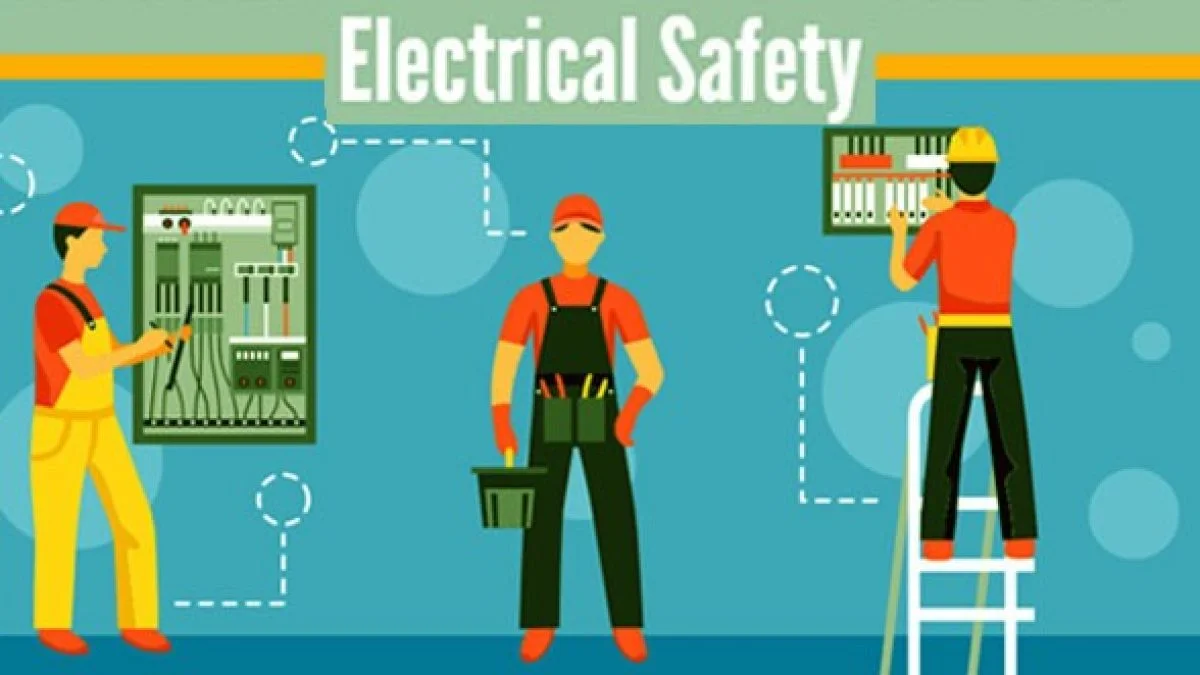
Electrical hazards remain one of the leading causes of serious workplace injuries and fatalities across Australia. While licensed electricians receive extensive technical training, many incidents involve workers whose primary roles are not electrical in nature. Construction workers, warehouse staff, cleaners, labourers, supervisors, and office personnel working near electrical systems are all exposed to risk.
This comprehensive 2026 guide explains why electrical safety training is essential for non-electrical workers, what the training covers, and how it supports compliance with Australian WHS legislation. Understanding these fundamentals can prevent injuries, equipment damage, and costly site shutdowns.
Why Electrical Safety Matters for Non-Electrical Workers
Electrical hazards are often underestimated because electricity is invisible. A damaged power lead, faulty appliance, or exposed connection may look harmless but can cause electrocution, burns, fires, or explosions. Non-electrical workers frequently interact with powered equipment without realising the potential danger.
According to workplace safety data, many electrical incidents occur when workers:
- Use portable electrical tools without checking for damage
- Work near live electrical installations
- Operate machinery in wet or outdoor environments
- Assume electrical hazards are someone else’s responsibility
Electrical safety training equips workers with the awareness to identify hazards early and avoid unsafe situations. This proactive approach significantly reduces the likelihood of serious incidents on site.
Legal Responsibilities Under Australian WHS Laws
Under Australian Work Health and Safety (WHS) legislation, employers have a duty of care to provide a safe working environment. This includes ensuring workers receive appropriate training and instruction to manage risks associated with electricity.
Importantly, the law does not limit this responsibility to licensed electricians. If a worker may be exposed to electrical hazards, even indirectly, employers must ensure they are adequately trained.
Electrical safety training helps organisations demonstrate compliance by:
- Providing documented evidence of worker competency
- Reducing the risk of regulatory breaches and penalties
- Supporting site safety audits and toolbox talks
- Meeting contractor and principal contractor requirements
Common Workplace Scenarios Where Electrical Safety Training Applies
Many non-electrical roles involve routine exposure to electrical risks. These scenarios often go unnoticed until an incident occurs. Electrical safety training is particularly relevant in the following situations:
Use of Portable Electrical Equipment
Power tools, extension leads, battery chargers, and temporary power boards are widely used across industries. Workers must know how to visually inspect equipment, recognise faults, and report damaged items immediately.
Working Near Live Electrical Systems
Even if workers are not performing electrical tasks, simply working near switchboards, generators, or overhead power lines poses a serious risk. Training teaches safe approach distances and correct hazard reporting procedures.
Wet or High-Risk Environments
Construction sites, outdoor projects, and industrial wash-down areas significantly increase electrical risk. Water dramatically raises the chance of electric shock, making awareness and precaution essential.
Core Electrical Safety Principles Covered in Training
Electrical safety training for non-electrical workers focuses on practical, easy-to-understand principles rather than technical wiring knowledge. The goal is hazard recognition and safe behaviour.
Key principles typically include:
- Understanding basic electrical hazards and consequences
- Recognising damaged or unsafe electrical equipment
- Safe use of power tools and extension leads
- Importance of tagging, testing, and isolation
- Emergency response procedures for electrical incidents
Good practice starts with understanding hazards. Workers are encouraged to reinforce their knowledge by reviewing Electrical Safety Tips For The Workplace ,which highlights simple but effective safety behaviours applicable across all industries.
The Role of Electrical Safety Training in Risk Reduction
Electrical incidents are often preventable. Most occur due to lack of awareness rather than deliberate unsafe behaviour. Training plays a critical role in closing this knowledge gap.
Organisations that invest in electrical safety training typically experience:
- Reduced injury rates and near-miss incidents
- Improved hazard reporting culture
- Greater confidence among workers and supervisors
- Lower insurance and downtime costs
When workers understand the risks, they are more likely to stop unsafe work, escalate concerns, and follow established procedures. This creates a safer, more compliant workplace overall.
Equip your team with essential electrical safety knowledge.
Enrol in Electrical Safety Training
Who Should Complete Electrical Safety Training?
Electrical safety training is suitable for a wide range of roles, including:
- Construction and civil workers
- Warehouse and logistics staff
- Maintenance and facilities teams
- Supervisors and site managers
- Office staff working near electrical equipment
Even workers who rarely interact with electrical systems benefit from understanding basic safety principles. Awareness alone can prevent serious accidents.
Why Choose Accredited Electrical Safety Training
Not all training is created equal. Accredited electrical safety training ensures content aligns with current WHS standards and reflects real-world workplace risks.
Quality training programs provide:
- Up-to-date legislative alignment
- Industry-relevant examples and scenarios
- Flexible delivery options (online or onsite)
- Certification suitable for compliance records
This ensures both workers and employers can demonstrate due diligence in managing electrical hazards.
Conclusion: Electrical Safety Is Everyone’s Responsibility
Electrical safety is not limited to licensed electricians. Any worker who may be exposed to electrical hazards has a responsibility to understand the risks and follow safe practices. In 2026 and beyond, electrical safety training remains a vital component of workplace safety and WHS compliance.
By investing in training, employers protect their workforce, reduce incidents, and build a culture of safety awareness that benefits everyone on site.