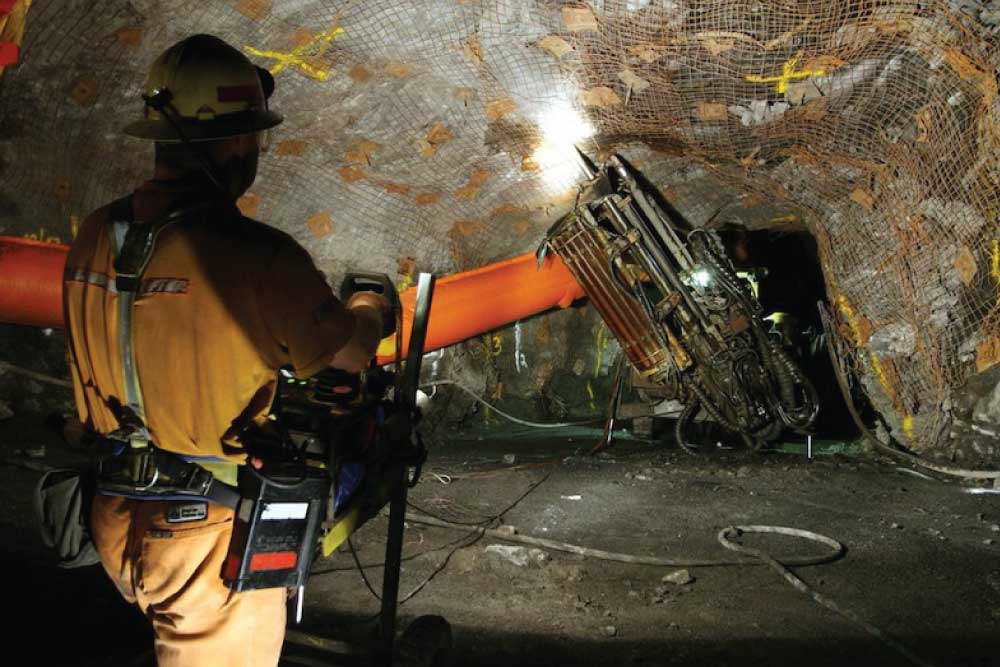
Australia’s mining industry continues to offer strong career opportunities for skilled workers looking to step into leadership positions. As mining operations become more safety-focused and compliance-driven, employers are actively seeking supervisors who can manage teams, reduce risks, and maintain operational efficiency. Completing a Mining Supervisor course such as G1, G8, and G9 can significantly improve your employability and help you move into higher-paying supervisory roles across mining, quarrying, and civil construction industries.
If you are currently working on-site and want to progress beyond operational roles, supervisor training can become one of the most valuable investments in your career development.
1. Opens the Door to Leadership Roles
Mining companies prefer workers who can confidently supervise crews, communicate clearly, and manage daily operations safely. Mining Supervisor training helps prepare workers for positions such as:
- Mine Supervisor
- Leading Hand
- Shift Supervisor
- Safety Representative
- Site Coordinator
The nationally recognised G1, G8, and G9 units are widely considered essential qualifications for many supervisory mining roles across Australia.
2. Improves Your Understanding of Risk Management
One of the biggest responsibilities of a mining supervisor is identifying hazards before incidents occur. Supervisor training teaches workers how to assess operational risks, apply controls, and maintain safer work environments.
Strong risk management skills are critical in high-risk industries where heavy machinery, underground operations, and hazardous environments are common. Many employers actively look for supervisors who can confidently manage workplace hazards and safety systems.
For a deeper look into this topic, read:
5 Critical Risk Management Skills Every Mining Supervisor Needs in 2026
3. Enhances Workplace Safety Knowledge
Mining supervisors play a major role in maintaining compliance with Australian workplace health and safety regulations. Supervisor training focuses heavily on:
- Hazard identification
- Incident investigations
- Safety communication
- Compliance systems
- Risk control implementation
These skills help supervisors reduce workplace incidents while supporting safer and more productive operations.
4. Helps You Meet Industry Requirements
Many mining sites require supervisors to hold recognised competencies before they can oversee workers or contractors. G1, G8, and G9 training aligns with Australian mining legislation and industry standards for supervisory positions.
Having these qualifications on your resume demonstrates that you understand the responsibilities associated with safety leadership and site supervision.
5. Builds Strong Communication Skills
A successful mining supervisor must communicate effectively with workers, contractors, management teams, and safety personnel. Training programs focus on improving:
- Team communication
- Conflict resolution
- Safety briefings
- Reporting procedures
- Workplace presentations
Clear communication helps reduce misunderstandings, improve productivity, and create a stronger safety culture on-site.
6. Increases Career Progression Opportunities
Many experienced operators eventually reach a point where career growth slows without formal supervisory qualifications. Mining Supervisor training creates a pathway into leadership and management positions that often offer:
- Better salaries
- Increased job security
- More responsibility
- Long-term career growth
- FIFO leadership opportunities
For workers looking to move from operational roles into management, these qualifications can provide an important advantage.
7. Gives You Nationally Recognised Qualifications
Mining Supervisor courses are nationally recognised across Australia, making them valuable across multiple mining and resource sectors. The training applies to industries including:
- Coal mining
- Metalliferous mining
- Quarry operations
- Civil construction
- Drilling operations
This flexibility allows workers to pursue opportunities across different sectors and locations.
8. Helps You Stand Out to Employers
Mining employers often receive applications from workers with similar operational experience. Holding recognised supervisor qualifications can help separate your application from others.
Workers who complete G1, G8, and G9 training often become more competitive candidates for supervisory and leadership positions within the mining industry.
9. Supports Safer and More Productive Teams
Good supervisors do more than manage operations — they help create safer, more efficient workplaces. A trained supervisor understands how to:
- Monitor worker behaviour
- Identify unsafe practices
- Improve team performance
- Maintain compliance standards
- Respond effectively during incidents
Strong leadership can directly influence workplace morale, productivity, and overall site safety.
To better understand the responsibilities involved in these roles, visit:
What Does a Mining Supervisor Actually Do? Key Duties, Skills & Safety Responsibilities
10. Flexible Online Learning Makes Training Easier
Many Mining Supervisor courses are now delivered online, allowing workers to complete training while continuing full-time employment. Flexible delivery options make it easier for FIFO workers and busy professionals to upskill without interrupting work schedules.
This accessibility has made supervisor qualifications more achievable for workers across Australia’s mining and resources sector.
Final Thoughts
Mining Supervisor training is more than just another qualification — it is a pathway toward leadership, career progression, and stronger workplace safety knowledge. Whether you are already supervising workers or preparing for your first leadership role, completing G1, G8, and G9 training can help position you for long-term success within Australia’s mining industry.
As the demand for experienced supervisors continues to grow, workers who combine practical mining experience with recognised supervisory training are likely to remain highly valuable across the resources sector.