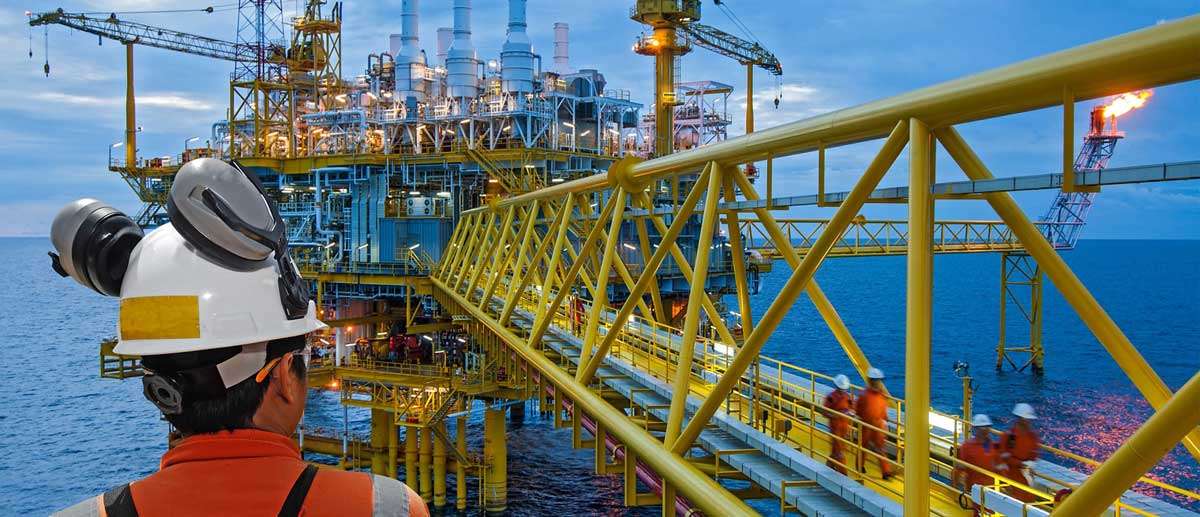
Offshore safety refers to the policies, procedures, equipment and training used to protect workers, the environment and offshore facilities during oil and gas exploration and production. It focuses on preventing workplace accidents, controlling operational risks and preparing personnel to respond effectively to emergencies.
Offshore oil and gas operations present unique safety challenges, including extreme weather, hazardous substances, high-pressure equipment, fire and explosion risks, and the difficulties of evacuating workers from remote locations. Effective offshore safety management combines risk assessments, equipment maintenance, emergency planning and practical safety training.
In Australia, offshore petroleum safety is regulated by the National Offshore Petroleum Safety and Environmental Management Authority (NOPSEMA) within its jurisdiction. Offshore operators must meet applicable regulatory requirements, manage workplace hazards and maintain effective safety management systems.
For workers entering the offshore industry, understanding offshore safety procedures and completing the training required for their specific role are essential steps towards working safely.
What Is Offshore Safety?
Offshore safety is the systematic management of workplace hazards associated with activities conducted at sea, including oil and gas drilling, production, maintenance and transportation.
Its primary objectives are to:
- Prevent workplace injuries, fatalities, fires and explosions.
- Protect workers from hazardous chemicals, gases and dangerous equipment.
- Reduce the likelihood of oil spills and environmental damage.
- Ensure personnel understand emergency procedures and evacuation arrangements.
- Maintain the integrity of offshore platforms, vessels and production equipment.
- Comply with applicable workplace health and safety and offshore petroleum regulations.
Offshore safety involves everyone working on or supporting an offshore installation. Employers establish safety systems, supervisors monitor compliance, and workers follow approved procedures, report hazards and participate in required training.
Why Is Offshore Safety Important in the Oil and Gas Industry?
Offshore facilities operate in environments where even a relatively small incident can escalate quickly. Remote locations, changing sea conditions and limited access to emergency services can make accident response more complicated than it is at many onshore workplaces.
A comprehensive offshore safety program helps organisations identify hazards before work begins, reduce the likelihood of equipment failures and prepare personnel to respond to unexpected situations.
Effective offshore safety management also supports regulatory compliance, operational continuity and environmental protection. Regular inspections, clear communication and competency-based training help ensure that workers understand the risks associated with their duties.
What Safety Training Is Required for Offshore Workers in Australia?
Offshore safety training requirements depend on the worker’s role, the installation, the activities being performed and the requirements of the relevant regulator, employer or offshore operator.
Some workers may need offshore survival and emergency training before travelling to an installation, while others require specialised training for high-risk tasks such as working at heights, entering confined spaces or providing first aid.
The following training programs are relevant to different offshore roles.
1. Basic Offshore Safety Induction and Emergency Training (BOSIET)
Basic Offshore Safety Induction and Emergency Training (BOSIET) prepares offshore personnel for common hazards associated with travelling to and working on offshore installations.
Depending on the course and applicable requirements, training may cover:
- Offshore hazard awareness and personal safety.
- Helicopter safety and emergency procedures.
- Sea survival techniques.
- Emergency evacuation and escape procedures.
- Fire safety and basic firefighting.
- First aid and emergency response principles.
BOSIET is commonly required by offshore employers and operators for relevant personnel. Workers should confirm the accepted course, training standard and validity requirements before enrolling.
2. Helicopter Underwater Escape Training (HUET)
Helicopter Underwater Escape Training (HUET) prepares personnel to respond if a helicopter travelling to or from an offshore facility makes an emergency water landing.
Training may include emergency evacuation techniques, underwater escape procedures and the use of relevant survival equipment. HUET may form part of a broader offshore survival course rather than being delivered as a separate qualification.
The required training depends on the helicopter transport arrangements and the operator’s requirements.
3. Offshore Safety Representative Training
Offshore safety representative training helps designated personnel understand their responsibilities in identifying hazards, communicating safety concerns and supporting effective workplace safety practices.
Relevant topics may include hazard identification, risk assessment, incident reporting, consultation and emergency planning. The precise training required depends on the person’s designated responsibilities and the applicable regulatory framework.
4. Confined Space Entry Training
Learn more about Confined Space Entry and Gas Testing Training
Confined spaces can expose offshore workers to oxygen-deficient atmospheres, toxic gases, flammable substances and restricted escape routes.
Confined space training helps workers understand how to identify confined spaces, assess atmospheric hazards, follow entry permits and comply with established safety procedures.
Training relevant to the role may cover:
- Identifying confined spaces and associated hazards.
- Atmospheric testing and gas monitoring.
- Permit-to-work requirements.
- Ventilation and isolation procedures.
- Communication between entrants and standby personnel.
- Emergency response and rescue arrangements.
Workers must follow the site’s approved procedures and ensure that the required controls are in place before entering a confined space.
5. Working at Heights Training
Offshore workers may perform maintenance, inspection and installation tasks on elevated platforms, ladders, scaffolds and other structures.
Working at heights training helps personnel recognise fall hazards, select appropriate fall-prevention controls and use relevant fall-protection equipment safely.
Key topics include:
- Identifying and assessing fall risks.
- Selecting suitable fall-prevention and fall-arrest systems.
- Inspecting and using safety equipment.
- Following safe access and work procedures.
- Understanding emergency and rescue arrangements.
The required training and controls depend on the task, equipment and applicable workplace requirements.
6. First Aid Training
Medical assistance may be less readily available at remote offshore facilities than at workplaces on land. First aid training helps workers recognise medical emergencies, provide initial assistance and follow site emergency procedures until further support is available.
Relevant skills may include managing bleeding, treating common injuries, responding to medical emergencies and performing cardiopulmonary resuscitation (CPR), depending on the course.
Offshore operators determine the first aid capabilities required for different positions and ensure that appropriate emergency medical arrangements are maintained.
Do All Offshore Workers Need the Same Training?
No. Offshore training requirements vary according to the work being performed and the rules established by the relevant operator and regulator.
For example, a worker travelling by helicopter may need specific offshore survival and escape training, while someone undertaking confined space work may need additional task-specific competencies. Personnel with designated emergency response responsibilities may also require further training.
Before booking a course, workers should confirm the required qualification, accepted training provider and any refresher or recertification requirements with their employer or prospective offshore operator.
Explore the available safety training courses at Safety Australia Training to identify training relevant to your role and workplace requirements.
What Are the Most Common Offshore Safety Hazards?

Offshore oil and gas operations involve several hazards that can cause serious injuries, fatalities, environmental damage or operational disruption.
1. Fire and Explosions
Flammable gases, hydrocarbon releases, ignition sources and equipment failures can create fire and explosion hazards. Preventive controls include gas detection, appropriate equipment maintenance, ignition-source control and effective emergency shutdown procedures.
2. Hazardous Chemicals and Gases
Offshore personnel may encounter toxic gases, chemicals, fuel and other hazardous substances. Exposure can cause poisoning, burns, respiratory problems or other serious injuries.
Safe handling procedures, suitable personal protective equipment (PPE), atmospheric monitoring and emergency response arrangements help reduce these risks.
3. Structural Failure and Corrosion
Offshore structures are exposed to saltwater corrosion, wave action, wind and other environmental stresses. Failure of structural components can endanger workers and damage critical equipment.
Routine inspections, structural integrity management and timely maintenance help identify deterioration before it leads to a serious incident.
4. Slips, Trips and Falls
Wet decks, slippery surfaces, uneven walkways and elevated work areas create fall hazards. Good housekeeping, safe access routes, suitable footwear and appropriate fall-protection systems help reduce the risk of injury.
5. Severe Weather and Rough Seas
Strong winds, high waves, storms and poor visibility can affect offshore operations, helicopter transport and vessel movements. Operators must monitor weather conditions and apply appropriate restrictions, shutdown procedures or evacuation arrangements when necessary.
6. Equipment and Machinery Failure
Cranes, hoists, pressure systems, lifting equipment and other critical machinery can cause serious accidents if they fail or are operated incorrectly.
Preventive maintenance, competent operation, equipment inspections and appropriate isolation procedures are essential safeguards.
7. Human Error and Communication Failures
Fatigue, inadequate training, unclear instructions and poor communication can contribute to offshore incidents. Clear responsibilities, effective shift handovers, suitable supervision and a workplace culture that encourages hazard reporting help address these risks.
8. Confined Space and Atmospheric Hazards
Tanks, enclosed compartments and other confined spaces may contain hazardous gases or insufficient oxygen. Workers must follow approved entry procedures, conduct required atmospheric testing and ensure that suitable rescue arrangements are in place.
How Do Offshore Operators Train Personnel to Respond to Emergencies?
Offshore operators use a combination of theoretical instruction, practical exercises and emergency drills to prepare workers for incidents such as fires, explosions, gas releases, medical emergencies and oil spills.
Training is tailored to the installation, the worker’s responsibilities and the emergency scenarios that could arise.
Common elements include:
- Emergency procedures: Workers learn alarm signals, muster arrangements, evacuation routes, emergency shutdown procedures and the correct use of personal protective equipment.
- Emergency response plans: Personnel learn their responsibilities, communication procedures and reporting requirements during an incident.
- Fire response: Relevant workers receive training in fire prevention, the use of firefighting equipment and the procedures for responding to different types of fire.
- First aid and medical response: Designated personnel develop the skills needed to provide initial medical assistance and follow the facility’s emergency medical procedures.
- Oil spill response: Personnel with relevant responsibilities learn how to report spills, activate response arrangements and use designated spill-control equipment.
- Practical simulations and drills: Workers participate in exercises designed to test their understanding of emergency procedures and their ability to respond under pressure.
Regular drills help identify weaknesses in emergency plans, clarify individual responsibilities and reinforce safe responses. Exercises should reflect the actual risks and emergency arrangements of the facility.
What Are the Most Important Offshore Safety Procedures?
Offshore workers must follow established safety procedures to control hazards and prevent incidents. Requirements vary by task, but several procedures are widely used across offshore operations.
Personal Protective Equipment (PPE)
Workers must use appropriate PPE for the hazards they may encounter. Depending on the task, this may include safety helmets, eye protection, protective gloves, safety footwear, hearing protection, respiratory protection and suitable fall-protection equipment.
PPE should be selected, inspected and maintained according to the relevant risk assessment and workplace procedures.
Permit-to-Work (PTW)
A permit-to-work system controls activities that present significant hazards. Depending on the work, permits may be required for hot work, confined space entry, electrical work or maintenance on hazardous systems.
The process helps ensure that hazards are assessed, required precautions are implemented and the relevant personnel understand the conditions under which work may proceed.
Confined Space Entry
Before entering a confined space, workers must follow the approved entry procedure, confirm the necessary authorisation, assess atmospheric conditions and implement the required isolation, ventilation, communication and rescue controls.
Relevant training: Confined Space Entry and Gas Testing Training.
Lockout/Tagout (LOTO)
Lockout/tagout procedures help prevent machinery or equipment from being unexpectedly energised or started during maintenance and repair.
Workers must follow the site’s energy-isolation procedures, verify the effectiveness of isolation and ensure that equipment is safe before work begins.
Working at Heights
Work at height requires suitable planning and fall-risk controls. Workers must use approved access methods, inspect relevant equipment and follow procedures for fall prevention, fall arrest and rescue.
Relevant training: Working at Heights Training.
Crane and Lifting Operations
Offshore lifting activities require competent personnel, appropriate lifting equipment, load assessments and effective communication. Workers must follow approved lifting plans, observe equipment capacity limits and maintain exclusion zones where required.
Electrical Safety
Electrical work presents risks of electric shock, burns, arc flash and fire. Appropriate isolation, verification, equipment inspection and competent personnel are essential to controlling electrical hazards.
Emergency Evacuation and Muster Procedures
Workers must understand alarm signals, designated muster points, escape routes and the instructions provided by emergency response personnel. They should also know how to report missing personnel and follow the facility’s evacuation arrangements.
What Are the Main Offshore Safety Management Measures?
Effective offshore safety requires more than individual training courses. Operators must implement systems that identify hazards, control risks and monitor the performance of safety-critical equipment and procedures.
Safety management systems (SMS) establish the policies, responsibilities, processes and controls used to manage operational risks.
Common offshore safety management measures include:
- Hazard identification and risk assessment: Identifying hazards before work begins and determining appropriate controls.
- Equipment inspection and maintenance: Maintaining the integrity and reliability of safety-critical systems.
- Competency management: Ensuring personnel have the training, experience and authorisation required for their duties.
- Incident reporting and investigation: Learning from incidents, near misses and unsafe conditions to prevent recurrence.
- Emergency preparedness: Maintaining emergency response plans, equipment, communication systems and evacuation arrangements.
- Management of change: Assessing safety implications before changes to equipment, processes, personnel or operating conditions are introduced.
- Safety communication: Conducting toolbox talks, shift handovers and safety briefings so workers understand current hazards and controls.
- Continuous improvement: Reviewing safety performance, inspection findings, drills and audit results to identify areas for improvement.
These measures help offshore operators manage risks throughout the life of an installation, from design and construction to production, maintenance and decommissioning.
Who Regulates Offshore Safety in Australia?
Offshore petroleum safety regulation in Australia depends on the location and type of operation.
The National Offshore Petroleum Safety and Environmental Management Authority (NOPSEMA) regulates offshore petroleum activities within its jurisdiction, including relevant occupational health and safety, well integrity and environmental management responsibilities.
Other authorities may have responsibilities depending on the activity, location, vessel, state or territory jurisdiction, and applicable legislation.
International organisations such as the International Maritime Organization (IMO) develop maritime safety standards and conventions, while industry bodies such as the International Association of Oil and Gas Producers (IOGP) publish industry guidance and recommended practices.
Offshore operators must identify and comply with the requirements applicable to their operations rather than relying on a single set of general industry guidelines.
Frequently Asked Questions About Offshore Safety
What is the main purpose of offshore safety?
The main purpose of offshore safety is to prevent injuries, fatalities, environmental damage and operational incidents by identifying hazards, implementing effective controls, maintaining equipment and preparing workers for emergencies.
What training do offshore workers need in Australia?
Training requirements depend on the job, offshore facility and applicable operator and regulatory requirements. Depending on the role, workers may need offshore survival training, helicopter escape training, first aid, confined space entry, working at heights or other task-specific competencies.
Is BOSIET mandatory for all offshore workers in Australia?
BOSIET is commonly required for relevant offshore personnel, particularly where offshore survival and emergency response competencies are required. However, it should not be assumed that every person working in the offshore industry must complete the same course. Workers should confirm the accepted training standard and requirements with their employer or offshore operator.
What are the most common offshore safety hazards?
Common hazards include fires and explosions, hazardous gases and chemicals, structural failure, slips and falls, severe weather, equipment failures, confined space hazards and human error. The level of risk depends on the installation and the activities being performed.
How do offshore workers prepare for emergencies?
Workers prepare through safety inductions, emergency response training, practical exercises, muster drills and familiarisation with the facility’s emergency procedures. Training and drills help personnel understand their responsibilities and respond appropriately to alarms and incidents.
Why is confined space training important in offshore operations?
Confined space training helps workers identify atmospheric and access hazards, follow entry permit procedures, understand gas testing requirements and apply the controls needed to reduce the risk of serious injury or death.
How can offshore workers improve workplace safety?
Offshore workers can improve safety by following approved procedures, using suitable PPE, reporting hazards and near misses, attending required training, participating in emergency drills and stopping work when conditions are unsafe.
Conclusion: Building a Strong Offshore Safety Culture
Offshore safety is essential to protecting workers, the environment and the long-term reliability of oil and gas operations. The combination of hazard identification, effective safety management systems, equipment maintenance, emergency preparedness and appropriate worker training helps reduce the risk of serious incidents.
In Australia, offshore workers and employers must understand the requirements applicable to their specific activities and ensure that personnel are competent to perform their assigned duties safely.
Whether you need training for confined space entry, working at heights or first aid, choosing appropriate safety training is an important step towards safer offshore work.
Explore the available workplace safety training courses at Safety Australia Training to find training relevant to your role, develop practical safety skills and prepare for the demands of your workplace.